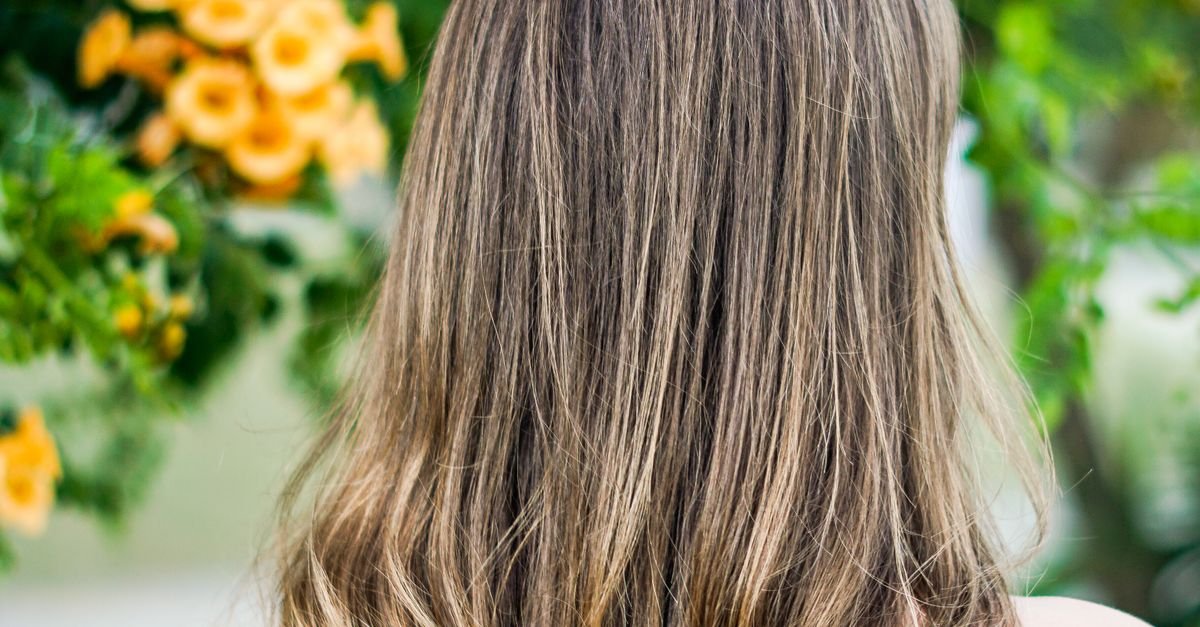
Honey brown hair is a versatile shade that blends warm caramel tones with deep chocolate undertones, creating a sun‑kissed look that flatters many skin tones. Whether you’re contemplating a subtle change or a full‑on transformation, understanding the nuances of this hue will help you decide if it’s the right fit for your style, budget, and hair health.
Understanding the Honey Brown Hair Palette: Warm vs. Cool Variations

Not all honey browns are created equal. The shade can tilt toward a golden, almost blonde warmth or lean into a richer, cooler caramel. Your natural undertones and desired vibe dictate which version will look most harmonious.
Warm Honey Brown
Warm honey brown leans toward golden caramel, often featuring subtle highlights that catch the light. This version works best for those with warm or neutral skin tones.
- Pros: Enhances golden skin, adds instant brightness, blends well with natural red or blonde roots.
- Cons: Can appear brassy if not maintained, may fade faster in cooler climates.
Cool Honey Brown
Cool honey brown incorporates ashier undertones, giving a more muted, sophisticated appearance. Ideal for cooler or olive skin tones.
- Pros: Less likely to develop brassiness, pairs nicely with cool eye colors, offers a polished look.
- Cons: May look dull on very warm skin, requires occasional toning to keep the cool edge.
Choosing the Right Coloring Technique: Salon vs. At‑Home vs. Creative Methods

The method you select influences the final hue, longevity, and overall health of your strands. Below is a side‑by‑side comparison of the most popular approaches.
| Technique | Cost (US$) | Longevity | Skill Level |
|---|---|---|---|
| Professional Salon Application | 150‑300 | 6‑8 weeks | High (colorist expertise) |
| At‑Home Box Dye | 30‑60 | 4‑6 weeks | Medium (follow instructions) |
| Balayage/Honey Highlights | 200‑400 | 8‑12 weeks | High (specialist technique) |
| Ombre Transition | 180‑350 | 8‑10 weeks | High (gradient blending) |
Pros and Cons of Each Technique
- Professional Salon Application
- Pros: Precise color matching, personalized consultation, minimal damage due to professional products.
- Cons: Highest expense, requires appointment scheduling.
- At‑Home Box Dye
- Pros: Budget‑friendly, convenient, wide range of brands.
- Cons: Risk of uneven color, limited customization, potential for over‑processing.
- Balayage/Honey Highlights
- Pros: Natural‑looking dimension, low‑maintenance grow‑out, protects hair with less frequent full‑process.
- Cons: Higher upfront cost, needs a skilled stylist.
- Ombre Transition
- Pros: Dramatic contrast, trendy, can blend multiple shades of honey brown.
- Cons: Can look harsh if not blended well, may require touch‑ups at the midpoint.
Maintenance: Caring for Honey Brown Hair to Keep the Shine

Once you achieve the perfect honey brown shade, maintenance determines how long it stays vibrant. Below are the key factors to consider.
Washing Frequency and Products
Frequent washing strips color, while too little can lead to buildup. Opt for sulfate‑free shampoos and color‑protecting conditioners.
- Pros: Sulfate‑free formulas preserve pigment and moisture.
- Cons: May feel less lathery, requiring an adjustment period.
Heat Styling and Protection
Heat tools can fade honey tones quickly. Use a heat protectant spray before blow‑drying, straightening, or curling.
- Pros: Reduces cuticle damage, maintains gloss.
- Cons: Adds an extra product step to your routine.
Color‑Refreshing Techniques
Root touch‑ups, gloss treatments, and purple shampoos (for cool honey) can extend the life of the shade.
- Pros: Keeps brassiness at bay, adds shine.
- Cons: Requires occasional salon visits or extra product costs.
Hair Types and How They React to Honey Brown

Different hair textures respond uniquely to color. Understanding your hair type helps you choose the most flattering honey brown approach.
Fine Hair
Fine strands can become weighed down by heavy pigments. Lighter, high‑gloss honey tones add volume illusion.
- Pros: Light shades reflect light, creating the appearance of thickness.
- Cons: Darker honey can make fine hair look flat.
Thick/Coarse Hair
Thick hair absorbs color well, allowing for deeper, richer honey shades without looking overly saturated.
- Pros: Full coverage, vibrant depth.
- Cons: May require longer processing time, higher product usage.
Curly or Wavy Hair
Curly hair tends to highlight natural texture. A honey brown with subtle lowlights enhances curl definition.
- Pros: Warm tones accentuate curl bounce, reduces frizz when combined with moisturizing treatments.
- Cons: Color can appear uneven if curls are not properly prepped.
Straight Hair
Straight hair showcases the uniformity of the shade. Balayage or honey highlights add dimension.
- Pros: Clean, sleek look; easy to maintain.
- Cons: Lack of natural dimension may require strategic highlighting.
Cost Considerations: Budget vs. Luxury Options for Honey Brown Hair

Financial planning is essential when deciding on a honey brown makeover. Below is a breakdown of typical expenses.
Do‑It‑Yourself (DIY) Kits
DIY kits range from $25 to $60 and include basic dye, developer, and after‑care.
- Pros: Cheapest route, full control over timing.
- Cons: Limited shade range, higher risk of mishaps.
Mid‑Range Salon Services
Mid‑tier salons charge $120‑$180 for a full honey brown color, often using reputable brands like Wella or Redken.
- Pros: Professional application, better product quality.
- Cons: Still a noticeable expense, may require follow‑up appointments.
High‑End Luxury Salons
Luxury venues use premium pigments (e.g., Oribe, Olaplex) and offer personalized consultations, costing $250‑$400.
- Pros: Superior color longevity, added hair‑care treatments, luxurious experience.
- Cons: Highest price point, often requires booking weeks in advance.
Ongoing Maintenance Costs
Beyond the initial color, consider regular touch‑ups, color‑protecting shampoos, and occasional glosses.
- Average annual maintenance: $200‑$500 depending on frequency and product choices.
Quick Honey Brown Hair Facts You Might Not Know
- Honey brown is essentially a blend of 30‑40% golden blonde with 60‑70% medium brown pigments.
- The shade was a runway favorite in the 2018 Spring collections, leading to a 25% sales spike for caramel‑based dyes.
- People with hazel or green eyes often find honey brown enhances eye color more than neutral browns.
- Sun exposure naturally lightens honey brown, creating a beach‑wave effect without additional bleaching.
- Using a weekly deep‑conditioning mask can extend color vibrancy by up to 30%.
Frequently Asked Questions
Can I go from dark brown to honey brown in one session?
Yes, but it typically requires a high‑lift bleach followed by a toning step to achieve the warm caramel tones without excessive brassiness. A professional stylist is recommended for the best results.
How often should I refresh my honey brown color?
Most stylists suggest a touch‑up every 6‑8 weeks for root maintenance and a gloss treatment every 12 weeks to keep the hue luminous.
Is honey brown safe for chemically treated hair?
Honey brown can be applied to previously colored hair, but a strand test is crucial. Using a low‑ammonia developer and a protein‑rich conditioning treatment helps mitigate damage.
Will honey brown make my hair look thinner?
If you choose a very dark honey shade on fine hair, it can create a flattening effect. Opt for lighter caramel highlights or a balayage technique to add visual volume.
What foods can naturally enhance a honey brown shade?
Consuming beta‑carotene‑rich foods like carrots, sweet potatoes, and apricots can subtly boost warm undertones, but the effect is minimal compared to professional color.
Can men wear honey brown hair without it looking unnatural?
Absolutely. Many male celebrities sport subtle honey brown highlights for a sun‑kissed look. Choosing a low‑contrast, natural‑looking shade ensures it blends seamlessly with masculine styling.
Final Thoughts
Honey brown hair offers a delightful balance between warmth and depth, making it a go‑to choice for anyone seeking a natural yet eye‑catching transformation. By weighing the pros and cons of shade variations, coloring techniques, maintenance routines, and budget options, you can tailor a plan that respects both your aesthetic goals and hair health.
Whether you opt for a DIY box dye, a salon balayage, or a luxury gloss treatment, the key is consistent care and realistic expectations. Embrace the honey‑kissed glow, and let your hair become the sunlit canvas you’ve always imagined.

Hi, I’m Emily Carter, the mind and heart behind CaptionMood — a creative space designed to help you express your thoughts with the perfect words.
As a writer and digital content enthusiast, I’ve always believed that captions are more than just text; they’re emotions, stories, and reflections of who we are. With CaptionMood, my mission is to provide unique and engaging Mood Captions, Occasion Captions, and Social Media Captions that resonate with people from all walks of life.
Thank you for visiting and being part of this journey. Through CaptionMood, I hope to inspire, connect, and make every post more meaningful.