
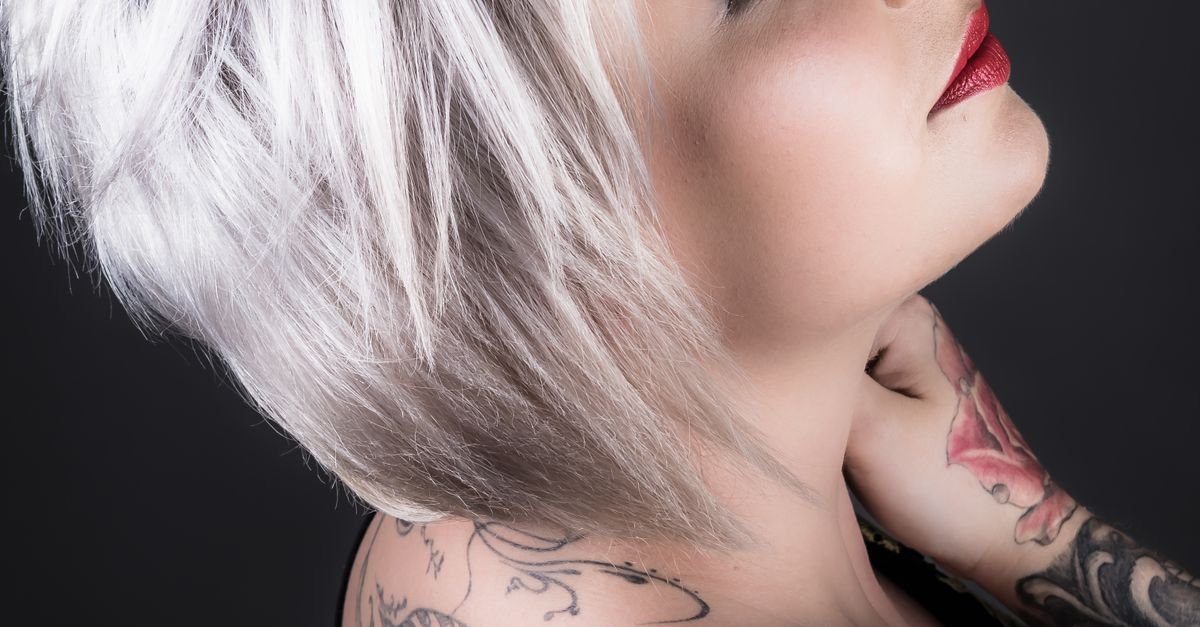
Platinum hair has moved from runway exclusivity to everyday aspiration, promising a bold, icy statement that can transform any style. Achieving that flawless silver‑white shade, however, involves more than a quick dye job; it demands careful planning, the right technique, and ongoing maintenance to keep the hue vibrant without sacrificing hair health.
In this guide we compare the most common approaches, weigh their advantages and drawbacks, and break down the true cost of going platinum, so you can decide whether the look is worth the effort for your unique hair type and lifestyle.
Understanding Platinum Hair: Shades, Techniques, and Trends

Platinum hair is not a single colour but a spectrum ranging from cool, almost‑white ash tones to slightly warmer silvery shades that catch the light. The final result depends on your starting colour, the level of lift required, and the toning process used to neutralise unwanted brassy hues. Modern trends favour a low‑maintenance, “lived‑in” platinum that embraces subtle variations rather than a perfectly uniform shade.
Key Elements That Define Platinum Hair
- Level 10 lift (the highest achievable lightness) or close to it.
- Precise toning to eliminate yellow or orange undertones.
- Consistent after‑care to prevent fading and damage.
Because the bleaching process strips natural pigments, the underlying hair health plays a pivotal role. Fine or already‑damaged hair may struggle to reach true platinum without excessive breakage, whereas healthy, resilient strands can endure the lift and still retain strength.
DIY vs Salon: Which Route Gives the Best Platinum Result?

Many people consider a home‑bleach kit to save money, but the decision hinges on skill level, hair condition, and the desired precision of the final shade. Professional salons have access to higher‑grade developers, custom‑mixed toners, and experienced colorists who can adjust the formula on the spot.
Pros and Cons of DIY Platinum
- Pros
- Lower upfront cost.
- Convenient scheduling; you can work at your own pace.
- Ability to experiment with different shades before committing.
- Cons
- Higher risk of uneven lift or over‑processing.
- Limited access to professional‑grade products.
- Potential for severe damage if the process is mis‑timed.
Salon treatments, while pricier, typically deliver a more uniform colour and include a conditioning protocol that mitigates damage. If you have a history of chemical treatments or fragile hair, the professional route often proves safer and more satisfying in the long run.
Hair Health Considerations: Damage Risks and Maintenance Strategies

Bleaching to platinum is one of the most aggressive chemical processes for hair. The protein structure is weakened, the cuticle becomes porous, and moisture loss accelerates. Understanding these risks allows you to adopt a preventative routine that preserves shine and elasticity.
Common Damage Indicators
- Increased breakage or split ends.
- Dry, straw‑like texture.
- Loss of natural bounce and flexibility.
To counteract these effects, incorporate a weekly deep‑conditioning mask, use sulfate‑free shampoos, and limit heat styling. A leave‑in protein treatment can rebuild keratin bonds, while a UV‑protectant spray shields the colour from sun‑induced fading.
Choosing the Right Color Formula: Bleach, Toner, and Alternatives

The path to platinum often involves a three‑step sequence: a high‑lift bleach to raise the level, a toner to neutralise brassiness, and a post‑color care regimen. Each product type varies in strength, price, and suitability for different hair conditions.
| Formula Type | Typical Use | Strength | Best For |
|---|---|---|---|
| High‑Lift Bleach | Primary lift from dark brown to light blonde | 30‑40 volume developer | Healthy, unprocessed hair |
| Demi‑Permanent Toner | Fine‑tuning shade after bleaching | No developer (uses pre‑mixed base) | All hair types, gentle on damage |
| Balayage Lightener | Gradual, natural‑looking lift | 20‑30 volume | Those who want low‑maintenance growth |
| Hair Lightening Powder | Budget‑friendly option for full‑head lift | 10‑20 volume | Thick, resistant hair |
When selecting a formula, match the developer strength to your hair’s resilience. Over‑developing can cause severe brittleness, while under‑developing may leave a stubborn orange cast that is difficult to tone away.
Cost Breakdown: Budgeting for Platinum Hair Over Time

Many first‑time platinum seekers focus on the initial price tag, yet the true expense includes ongoing maintenance, products, and occasional touch‑ups. Below is an average cost estimate for a medium‑length head of hair (approximately 12 inches) in the United States.
- Initial salon bleaching and toning: $150‑$250
- Professional at‑home maintenance kit (shampoo, conditioner, mask): $60‑$120 per year
- Quarterly root touch‑up (salon): $80‑$130 per session
- Optional haircuts to remove split ends: $30‑$70 every 8‑12 weeks
Adding these figures together, a realistic yearly budget ranges from $350 to $600 after the first year. DIY routes can shave $100‑$200 off the initial cost, but they often require additional investment in quality products and may lead to higher repair expenses if damage occurs.
Quick Platinum Hair Facts You Might Not Know
- Platinum hair reflects up to 80% more light than natural blonde, creating a luminous effect.
- The ideal pH for a platinum toner is between 4.5 and 5.0, which helps close the cuticle after bleaching.
- Blue‑based toners neutralise orange tones, while purple‑based toners cancel yellow.
- Hair with a natural level of 6 (dark blonde) typically requires two bleaching sessions to achieve true platinum.
- Regular use of a clarifying shampoo once a month removes mineral buildup that can dull the silver shade.
Frequently Asked Questions
How often should I touch up my platinum roots?
Most colorists recommend a touch‑up every 6‑8 weeks, depending on your hair growth rate and how stark the contrast appears against the platinum base.
Can I go platinum on curly or textured hair?
Yes, but curly hair is more prone to dryness after bleaching. Use a curl‑friendly protein mask weekly and consider a lower‑volume developer to minimise breakage.
Is there a way to keep platinum hair from turning brassy?
Incorporate a purple‑shampoo into your routine 2‑3 times a week, store hair away from direct sunlight, and schedule a toner refresh every 2‑3 months.
Will platinum hair damage my scalp?
The scalp can become irritated if the bleach contacts it for too long. A professional will apply a protective barrier and monitor processing time closely to avoid burns.
Are there vegan or cruelty‑free platinum hair products?
Several brands now offer plant‑based bleaches and toners that are certified vegan and cruelty‑free, providing an ethical alternative without compromising performance.
Final Thoughts
Going platinum is a commitment that blends artistry, chemistry, and diligent after‑care. By weighing the pros and cons of DIY versus salon services, selecting the appropriate formula, and budgeting for long‑term maintenance, you can achieve a striking silver hue that remains healthy and vibrant.
Whether you crave a bold runway vibe or a subtle icy glow, the right preparation and ongoing care will ensure your platinum hair turns heads for all the right reasons.

Hi, I’m Emily Carter, the mind and heart behind CaptionMood — a creative space designed to help you express your thoughts with the perfect words.
As a writer and digital content enthusiast, I’ve always believed that captions are more than just text; they’re emotions, stories, and reflections of who we are. With CaptionMood, my mission is to provide unique and engaging Mood Captions, Occasion Captions, and Social Media Captions that resonate with people from all walks of life.
Thank you for visiting and being part of this journey. Through CaptionMood, I hope to inspire, connect, and make every post more meaningful.