
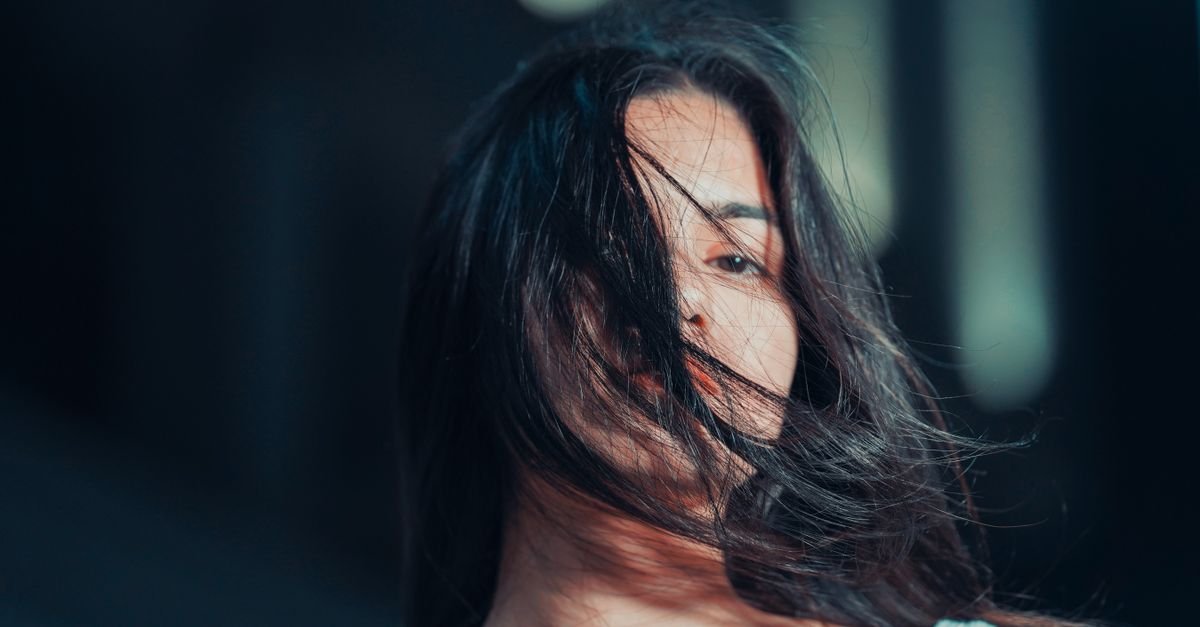
Dark hair colors have long been a go‑to for anyone seeking a classic, sophisticated look, but in recent years they’ve evolved far beyond simple black or brown.
From subtle chocolate tones to dramatic midnight blues, the range of dark hair color ideas now offers endless possibilities for personal expression, seasonal updates, and low‑maintenance beauty routines.
Whether you’re considering a total transformation or a nuanced highlight, understanding how to match shade to skin tone, hair type, and lifestyle is essential for a flawless result.
In this article we’ll explore the most popular dark shades, the techniques that add depth, and practical tips to keep your color vibrant, all while answering the questions you’re likely to search for online.
What are the trending dark hair color ideas for 2024?

Every year the color‑industry introduces fresh twists on classic dark hues, and 2024 is no exception. This season, stylists are favoring shades that feel both luxurious and versatile, allowing wearers to shift from day to night with minimal effort.
Why dark shades are making a comeback
Consumers are gravitating toward darker tones because they provide a natural-looking base that hides regrowth longer, reduce the frequency of touch‑ups, and create a sleek canvas for creative accents. Additionally, dark colors pair well with the current trend of muted, earthy makeup palettes, making the overall look cohesive.
- Deep Espresso Brown – A rich, warm brown that adds shine without looking harsh.
- Midnight Blue Black – Black hair infused with a subtle blue undertone for a galaxy‑inspired vibe.
- Chocolate Mahogany – A blend of cool brown and warm red, perfect for autumn.
- Smoky Charcoal – A cool, almost silver black that works beautifully on cooler skin tones.
- Dark Ash Plum – A daring plum‑infused black that catches the light.
These ideas serve as a foundation for the more detailed techniques discussed later in the article.
How can I choose the right dark hair color based on my skin tone?

The key to a flattering dark hair color lies in matching the undertones of the shade to the undertones of your skin. A mismatch can make the complexion appear washed out or overly stark.
Warm skin tones
If you have golden, peach, or olive undertones, opt for shades that carry warm undertones themselves. Think chocolate mahogany, warm espresso, or a dark copper‑brown. These colors echo the natural warmth of your skin, creating a harmonious glow.
Cool skin tones
Cool undertones – pink, red, or bluish hues – pair best with cooler dark shades such as smoky charcoal, midnight blue black, or dark ash plum. The cool base prevents the hair from looking too harsh against a cool complexion.
Neutral skin tones
When your undertones are balanced, you have the freedom to experiment with both warm and cool dark colors. A classic deep brown or a soft black can both look stunning.
To test a shade before committing, use temporary hair chalk or a digital color‑simulation app, and observe how it looks in natural daylight.
Which dark hair color techniques add depth and dimension?

Simply dyeing every strand the same dark shade can look flat. Modern techniques introduce layers of light and shadow, giving the hair a multi‑dimensional, salon‑finished appearance.
Balayage
Balayage involves hand‑painting lighter or contrasting tones onto the hair, creating a sun‑kissed effect. For dark bases, stylists often use caramel or cool ash highlights that melt into the deep color, preserving the richness while adding movement.
Ombre
An ombre transition from a dark root to a slightly lighter mid‑length or ends can soften the intensity of a black or deep brown base. A subtle gradient of dark chocolate to soft mocha keeps the look elegant.
Lowlights
Adding lowlights—darker strands beneath the main shade—creates depth without a drastic color shift. For example, a dark brown base with black lowlights can make thin hair appear fuller.
Combining two or more of these techniques yields a bespoke look that feels both natural and high‑fashion.
Are there low‑maintenance dark hair color options for busy lifestyles?

Many people choose dark shades precisely because they require fewer salon visits. Below are some strategies that keep upkeep minimal.
- Single‑process dark dye – One‑step color that covers the entire head; touch‑ups every 8‑10 weeks.
- Root shadowing – A darker shade applied only to the roots, letting the rest of the hair grow out naturally.
- Color‑protecting shampoo and conditioner – Formulated to reduce fading, extending the life of the shade.
- Cool-tone blacks – Fade slower than warm blacks because the pigment is less prone to oxidization.
- Leave‑in treatments with UV filters – Protects hair from sun‑induced fading, especially important for outdoor enthusiasts.
Choosing a shade that is close to your natural color also reduces the contrast between regrowth and dyed hair, making the look last longer.
How do I safely transition from a lighter shade to a dark hair color?
Going from blonde or light brown to a deep hue can be a shock to the hair’s structure. Following a careful process helps avoid damage and uneven results.
- Consult a professional – A colorist can assess your hair’s health and recommend the best approach.
- Perform a strand test – Apply the dark dye to a small section to see how the color reacts.
- Use a pre‑color treatment – Protein masks or bond‑building products strengthen the cuticle before dyeing.
- Apply a semi‑permanent or demi‑permanent dark shade first – This reduces the risk of over‑processing and gives a preview of the final tone.
- Follow with a deep conditioning routine – Keeps hair moisturized after the chemical process.
Patience is key: if your hair is heavily processed, consider a two‑step approach—first a darker brown, then a final black or espresso after a few weeks.
What are the best dark hair color ideas for different hair types?
Hair texture influences how a dark shade appears and how it should be applied. Tailoring the color to your hair type maximizes both aesthetics and health.
Fine hair
Fine strands can look flat if the color is too uniform. Adding subtle lowlights or a soft balayage with warm caramel tones creates the illusion of volume.
Thick or coarse hair
Thick hair benefits from richer, deeper colors that help manage bulk. Dark espresso or midnight blue black provides a sleek finish without weighing the hair down.
Curly hair
Curly textures love contrast. A dark base with copper or auburn highlights can define curls and reduce frizz by sealing the cuticle.
Regardless of type, always use sulfate‑free shampoos and regular deep‑conditioning masks to maintain color vibrancy.
Can I experiment with bold accents while keeping a dark base?
Absolutely. Dark hair provides a dramatic canvas for creative pops of color that can be subtle or statement‑making.
Highlights and lowlights
Adding a few strands of icy silver, deep violet, or muted teal as highlights against a black base creates a modern, edgy look without overwhelming the overall darkness.
Underlights
Underlights involve coloring the inner layers of hair, visible only when you move or style it up. Dark ash plum or burgundy underlights peek through a black or dark brown outer layer for a surprise element.
Color‑blocking
For the adventurous, a color‑blocked style—such as a bold red side or a blue crown—can be achieved with temporary dyes that wash out after a few shampoos, preserving the dark base.
When adding bright accents, protect the hair with a heat‑protectant spray and limit bleaching sessions to avoid over‑processing.
What are the cost considerations and salon vs. DIY options for dark hair colors?
| Option | Average Cost (USD) | Time Required | Pros | Cons |
|---|---|---|---|---|
| Professional Salon Full Process | $120‑$200 | 2‑3 hours | Expert color matching, minimal damage, custom technique | Higher price, need to book an appointment |
| Salon Balayage on Dark Base | $150‑$250 | 3‑4 hours | Natural‑looking dimension, long‑lasting | Most expensive option |
| DIY Box Dye (Full Coverage) | $15‑$30 | 1‑2 hours | Cost‑effective, can be done at home | Risk of uneven color, limited technique options |
| DIY Semi‑Permanent Dark Color | $20‑$40 | 30‑45 minutes | Gentle on hair, fades gradually | Less permanent, may need frequent reapplication |
Choosing between salon and DIY depends on your budget, skill level, and how complex the desired technique is. For intricate methods like balayage or color‑blocking, a professional’s expertise is usually worth the investment.
Quick dark hair color facts you should know
- Dark shades hide gray roots longer, extending the time between touch‑ups.
- Black hair with cool undertones reflects more light, giving a glossy appearance.
- Adding lowlights can make thin hair appear thicker by creating visual depth.
- Most dark dyes contain ammonia; opting for ammonia‑free formulas reduces scalp irritation.
- UV exposure is the leading cause of color fading; use hats or UV‑protective hair products.
Frequently Asked Questions
Can I dye my hair black if I have naturally blonde hair?
Yes, but it usually requires a pre‑lightening step to remove the warm pigments, followed by a black toner to achieve a true, rich black.
How often should I refresh my dark hair color?
Typically every 8‑10 weeks for permanent dye, or every 4‑6 weeks for semi‑permanent shades, depending on how fast your hair grows and how quickly the color fades.
Will dark hair color damage my hair?
Any chemical process can cause some damage. Using bond‑building treatments, limiting heat styling, and choosing a reputable salon can minimize harm.
Is it possible to go from dark brown to a cooler black without bleaching?
Yes, a cool black toner can shift a warm dark brown toward a cooler shade, but the result may not be as deep as a true black achieved with a full‑process dye.
Do I need special shampoo for dark hair?
Color‑protecting shampoos formulated without sulfates help preserve the pigment and keep the hair soft and shiny.
Final thoughts
Dark hair color ideas offer a blend of timeless elegance and modern creativity, making them suitable for anyone from the minimalist to the bold trend‑setter. By understanding how to align shade with skin tone, hair type, and lifestyle, you can achieve a look that feels personal and effortlessly chic.
Whether you opt for a deep espresso, a midnight blue black, or a daring dark ash plum, the right technique and after‑care routine will keep your color vibrant for months to come. Embrace the depth, experiment with subtle accents, and enjoy the confidence that comes with a beautifully dark mane.

Hi, I’m Emily Carter, the mind and heart behind CaptionMood — a creative space designed to help you express your thoughts with the perfect words.
As a writer and digital content enthusiast, I’ve always believed that captions are more than just text; they’re emotions, stories, and reflections of who we are. With CaptionMood, my mission is to provide unique and engaging Mood Captions, Occasion Captions, and Social Media Captions that resonate with people from all walks of life.
Thank you for visiting and being part of this journey. Through CaptionMood, I hope to inspire, connect, and make every post more meaningful.