
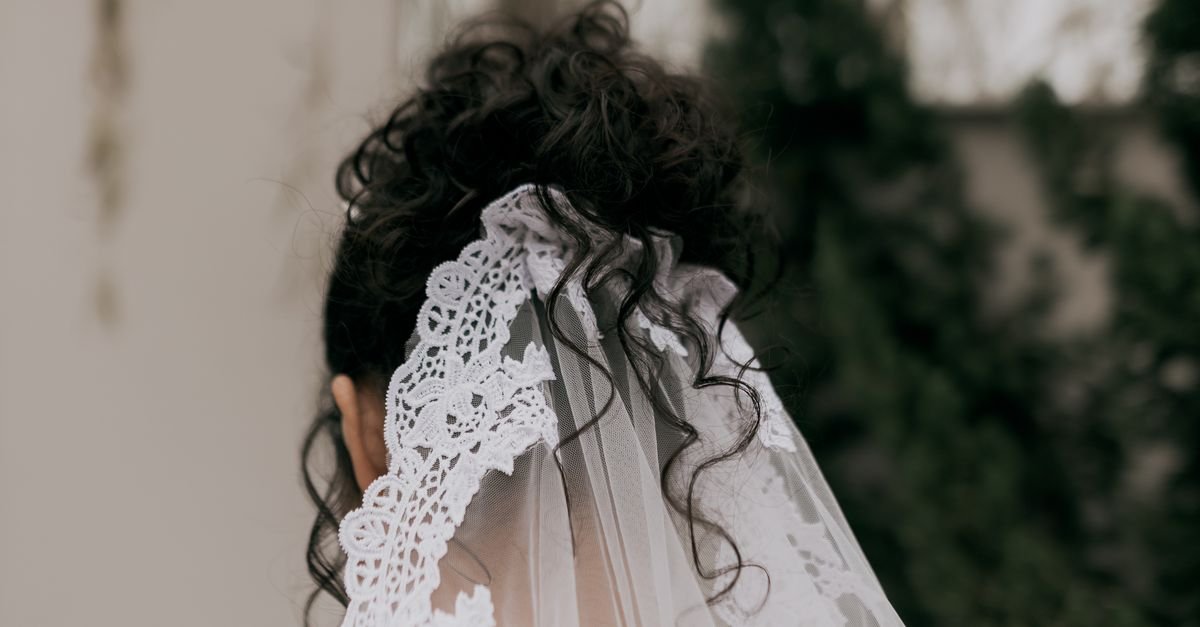
Your wedding day is a once‑in‑a‑lifetime moment, and every detail from the dress to the shoes contributes to the overall magic. Among the most photographed elements is the combination of bridal hair with veil, a classic pairing that can either elevate or distract from your look.
With the right planning, styling, and accessories, you can achieve a harmonious blend that feels both timeless and uniquely yours.
In this guide we break down the essential considerations, from veil length and fabric choices to hair placement and maintenance tips, so you can walk down the aisle with confidence, elegance, and a flawless bridal hair with veil ensemble.
1. Selecting the Perfect Veil Length for Your Hair Style

The length of your veil is the first decision that influences how it interacts with your hair. A short bird‑cage veil works beautifully with up‑dos, while a cathedral‑length veil adds drama to loose, flowing curls. Understanding the visual balance between veil and hairstyle helps you avoid a look that feels either too heavy or too light.
Short Veils (Bird‑Cage & Fingertip)
Ideal for:
- Elegant up‑dos such as chignons, French twists, or low buns.
- Modern brides who prefer a minimalist aesthetic.
- Outdoor or beach weddings where wind can be a factor.
Because the veil sits close to the scalp, it doesn’t compete with the hair volume, allowing intricate up‑dos to shine.
Mid‑Length Veils (Knee‑to‑Ankle)
Ideal for:
- Half‑up half‑down styles that showcase both hair and veil.
- Romantic, vintage‑inspired weddings.
- Brides who want a balance between drama and practicality.
This length adds movement without overwhelming the hairstyle, making it a versatile choice for many hair textures.
Long Veils (Cathedral & Chapel)
Ideal for:
- Traditional, formal ceremonies.
- Loose, voluminous curls or waves.
- Brides who want a grand, runway‑like entrance.
Long veils demand a sturdy hair base; consider a braided crown or a secured up‑do to prevent slipping.
2. Matching Veil Fabrics with Hair Textures

The fabric of the veil—tulle, organza, lace, or net—affects how it drapes over your hair and moves with you. Pairing the right material with your hair texture ensures comfort and visual harmony.
Tulle: Light, Airy, and Versatile
Tulle is the most common veil material. Its fine mesh allows light to pass through, making it ideal for:
- Fine or thin hair that needs extra volume support.
- Soft, romantic hairstyles like loose waves or a low chignon.
Because tulle is lightweight, it won’t weigh down delicate curls.
Organza: Structured and Slightly Stiffer
Organza provides a subtle sheen and a bit more structure than tulle. It pairs well with:
- Medium‑to‑thick hair that can hold its shape.
- Hair accessories such as pearl pins or floral combs that benefit from a firmer backdrop.
Organza’s slight crispness helps the veil stay in place during movement.
Lace: Intricate and Romantic
Lace veils often feature embroidered patterns that echo the dress’s detailing. They work best with:
- Classic up‑dos where the lace can be highlighted without competing with hair volume.
- Brides who enjoy vintage or boho aesthetics.
Because lace can be heavier, secure your hair with a strong base like a braided crown.
3. Crafting the Ideal Hair Base for Veil Security

A secure hair base is the backbone of any successful bridal hair with veil combination. Without it, the veil can shift, slide, or even detach during the ceremony.
Classic Up‑Do Foundations
For up‑dos, consider these foundations:
- French Twist: Provides a sleek silhouette and a tight grip for veil pins.
- Low Chignon: Offers a low center of gravity, making it easier to attach a long veil.
- Braided Crown: Wraps hair around the head, creating natural anchoring points for veil stitching.
Use hairpins, bobby pins, and a strong hairspray to lock the base in place.
Half‑Up, Half‑Down Anchors
If you prefer to showcase your length, reinforce the half‑up section with:
- Thin elastic bands hidden beneath the hair.
- Invisible wire combs that blend with the veil’s edge.
- Hair spray misted generously before attaching the veil.
This ensures the veil doesn’t tug on loose strands.
Loose Waves and the “Hair Net” Technique
For loose curls, a discreet hair net (often called a “veiling cap”) can be placed under the veil. It:
- Creates a smooth surface for the veil to glide.
- Prevents the veil from snagging on individual curls.
- Can be styled with decorative pins for added sparkle.
Choose a net that matches your veil color to keep the look seamless.
4. Accessorizing: Pins, Combs, and Decorative Elements

Accessories are the finishing touch that ties your bridal hair with veil together. The right pins not only add sparkle but also keep the veil firmly in place.
Veil Pins vs. Hair Pins
Veil pins are longer and designed to go through both veil and hair, while hair pins are shorter and meant for securing hair alone. Use a combination of both:
- Start with veil pins at the crown to anchor the veil.
- Layer hair pins along the hairline for extra stability.
Mix metals—gold, silver, or rose gold—to complement your dress’s embellishments.
Comb and Clip Options
Comb styles can act as both decorative pieces and functional anchors:
- Crystal‑encrusted combs for a glamorous look.
- Floral or pearl‑adorned clips for a vintage vibe.
Place the comb where the veil meets the hair, typically at the nape or side of the head.
Incorporating Fresh Flowers
Fresh flower arrangements add a natural, romantic feel. When using them:
- Secure the stems with a thin wire or floral tape before attaching.
- Position flowers on one side for an asymmetrical, modern look, or evenly on both sides for classic balance.
- Choose blooms that match or complement your bouquet for cohesion.
Remember to test the weight; heavy floral clusters may require extra pins.
5. Managing Veil Movement in Different Wedding Settings

Wind, venue layout, and movement all affect how your veil behaves. Proactive planning can prevent unwanted drama on the big day.
Outdoor and Beach Weddings
Wind is the biggest challenge. Mitigate it by:
- Choosing a shorter veil or one with weighted hem.
- Using a veil clip that tucks the edge under the hair.
- Having a bridal stylist on standby with a quick‑fix spray.
Some brides opt for a detachable veil that can be removed for the ceremony and reattached for photos.
Indoor and Cathedral Venues
Large spaces often have high ceilings and air circulation that can cause veils to sway. Counteract this by:
- Adding a discreet weight strip at the veil’s hem.
- Securing the veil with extra pins at the shoulders.
- Practicing your walk in the venue beforehand.
This ensures the veil flows gracefully without obstructing the view.
Moving and Dancing
During the reception, you’ll likely dance. To keep the veil from getting tangled:
- Consider a detachable “dance veil” that’s shorter and easier to manage.
- Use a hair spray that provides a flexible hold—enough to keep hair in place but not so stiff that it looks unnatural.
- Practice a few dance moves in your veil to gauge comfort.
Many stylists recommend a hidden hair net for the dancing portion, then swapping back to the full veil for photos.
6. Budget‑Friendly Alternatives Without Sacrificing Elegance
Dreaming of a luxurious bridal hair with veil look doesn’t mean you have to break the bank. There are several cost‑effective options that still deliver high impact.
DIY Veil Enhancements
Buy a basic tulle veil and personalize it:
- Add hand‑stitched lace trim.
- Attach crystal beads or sequins along the edge.
- Incorporate a thin ribbon that matches your dress.
This approach can reduce costs by 40‑60% while allowing a custom design.
Renting Veils and Accessories
Many bridal boutiques offer rental packages that include veils, pins, and combs. Benefits include:
- Access to high‑end fabrics like silk organza at a fraction of the purchase price.
- Professional cleaning and pressing before the event.
- Option to swap styles up to the day of the wedding.
Always confirm the rental agreement covers any damage caused by hair products.
Second‑Hand and Vintage Finds
Explore thrift stores, online marketplaces, or estate sales for vintage veils. Look for:
- Classic lace patterns that never go out of style.
- Neutral colors—ivory or cream—that pair well with most dresses.
- Structural integrity; ensure the veil isn’t frayed.
Pair a vintage veil with modern hair accessories for a fresh, eclectic look.
Comparison of Popular Veil Types
| Veil Type | Ideal Hair Style | Typical Length | Best Fabric | Cost Range (USD) |
|---|---|---|---|---|
| Bird‑Cage | Up‑dos, chignons | 12‑18 inches | Tulle, organza | $50‑$150 |
| Knee‑Length | Half‑up, half‑down | 24‑36 inches | Tulle, lace | $100‑$300 |
| Cathedral | Loose curls, waves | 84‑108 inches | Organza, silk | $250‑$800 |
| Vintage Lace | Low buns, braided crowns | 30‑48 inches | Lace, embroidered net | $150‑$500 |
Quick Bridal Hair with Veil Facts You Might Not Know
- Historically, veils were used to protect brides from evil spirits, not just as fashion statements.
- The average weight of a full‑length cathedral veil is 1‑2 pounds, making a strong hair base essential.
- Silk organza veils were popularized in the 1920s during the Art Deco era.
- Modern veil pins often contain a tiny magnet to help hold them in place without damaging delicate fabrics.
- Choosing a veil that matches the dress’s neckline (sweetheart, V‑neck, etc.) creates a seamless visual line.
Frequently Asked Questions
Can I wear a veil with short hair?
Absolutely. Short‑hair veils are typically bird‑cage or attached comb styles. Secure the veil with a decorative comb or headband, and consider adding a few hair extensions for extra volume if desired.
How far in advance should I schedule my veil trial?
Book a veil trial at least 3‑4 months before the wedding. This gives you time to make adjustments, order any custom embellishments, and coordinate with your hairstylist.
What’s the best way to keep my veil from blowing away during an outdoor ceremony?
Choose a veil with a weighted hem or add a small, discreet weight strip. Additionally, use extra veil pins at the shoulders and a hair net underneath for added stability.
Is it okay to style my hair on the day of the wedding or should I do it the night before?
Most stylists recommend a fresh styling on the wedding day to ensure the hair holds up all day. However, you can do a dry run the night before to test the look and make any necessary tweaks.
Can I reuse my veil for other events after the wedding?
Yes, a well‑maintained veil can be reused for anniversaries, formal galas, or even as a decorative piece in a home display. Store it in a breathable garment bag to preserve its shape.
Final Thoughts on Achieving the Perfect Bridal Hair with Veil Look
Bridal hair with veil is more than a tradition; it’s an artistic collaboration between your personal style, the wedding theme, and the technical details of hair and veil construction. By thoughtfully selecting veil length, fabric, and accessories, securing a reliable hair base, and planning for venue‑specific challenges, you can create a cohesive, picture‑perfect look that feels authentic to you.
Remember, the most memorable moments happen when you feel comfortable and confident so let your preparation shine, and step into your ceremony with a veil that flutters gracefully as you walk toward your forever.

Hi, I’m Emily Carter, the mind and heart behind CaptionMood — a creative space designed to help you express your thoughts with the perfect words.
As a writer and digital content enthusiast, I’ve always believed that captions are more than just text; they’re emotions, stories, and reflections of who we are. With CaptionMood, my mission is to provide unique and engaging Mood Captions, Occasion Captions, and Social Media Captions that resonate with people from all walks of life.
Thank you for visiting and being part of this journey. Through CaptionMood, I hope to inspire, connect, and make every post more meaningful.