Whether you are stepping into the big top, performing at a birthday party, or creating a spooky Halloween look, the right clown makeup can transform a simple face into a memorable character.
The world of clown makeup is surprisingly diverse, ranging from classic circus whites to modern, themed creations. In this guide we compare the most popular approaches, weigh their advantages and drawbacks, and give you practical tips so you can choose the perfect style for your next performance.
By the end you’ll understand which techniques, palettes, and tools work best for different settings, budgets, and skill levels.
Classic Circus vs. Modern Twist: The Foundations of Traditional Clown Makeup

Traditional circus clowns have relied on a handful of iconic elements for over a century: a bright white base, exaggerated eyebrows, a bold red nose, and oversized painted smiles. Modern clowns often keep the recognizable silhouette but experiment with color, texture, and pattern. Below we break down the two approaches.
Classic White Face
The white base creates a blank canvas that amplifies every additional detail. It is applied with liquid or cream makeup that dries to a matte finish, ensuring the colors on top stay vivid under stage lights.
- Pros: Highly visible from a distance, timeless look, easy to layer other colors.
- Cons: Can look chalky on camera, may require frequent touch‑ups, can be drying on sensitive skin.
Modern Twist
Modern clowns often replace the full white base with a tinted skin tone or a gradient that fades into the surrounding skin. They may add glitter, metallic accents, or abstract patterns that break the symmetry of classic designs.
- Pros: Fresh aesthetic, less cakey feel, adaptable to high‑definition video.
- Cons: Less contrast in low light, may need more skill to blend smoothly, can be more expensive with specialty products.
Pros and Cons Summary
- Classic White Face – Visibility: high; Longevity: moderate; Skill required: low; Cost: low.
- Modern Twist – Visibility: moderate; Longevity: high (with setting spray); Skill required: high; Cost: moderate to high.
Themed Clown Makeup: Birthday Party Fun vs. Horror Night Fright

Clown makeup isn’t limited to the circus. Two popular themes dominate the market: cheerful birthday clowns and eerie horror clowns. Each serves a different audience and demands distinct design choices.
Birthday Party Clowns
These designs prioritize bright, happy colors and friendly expressions. Think oversized smiles, rainbow cheeks, and playful patterns like polka dots or stars.
- Pros: Instantly uplifting, great for children, easy to photograph.
- Cons: Can appear generic if overused, limited for adult performances that need nuance.
Horror Clowns
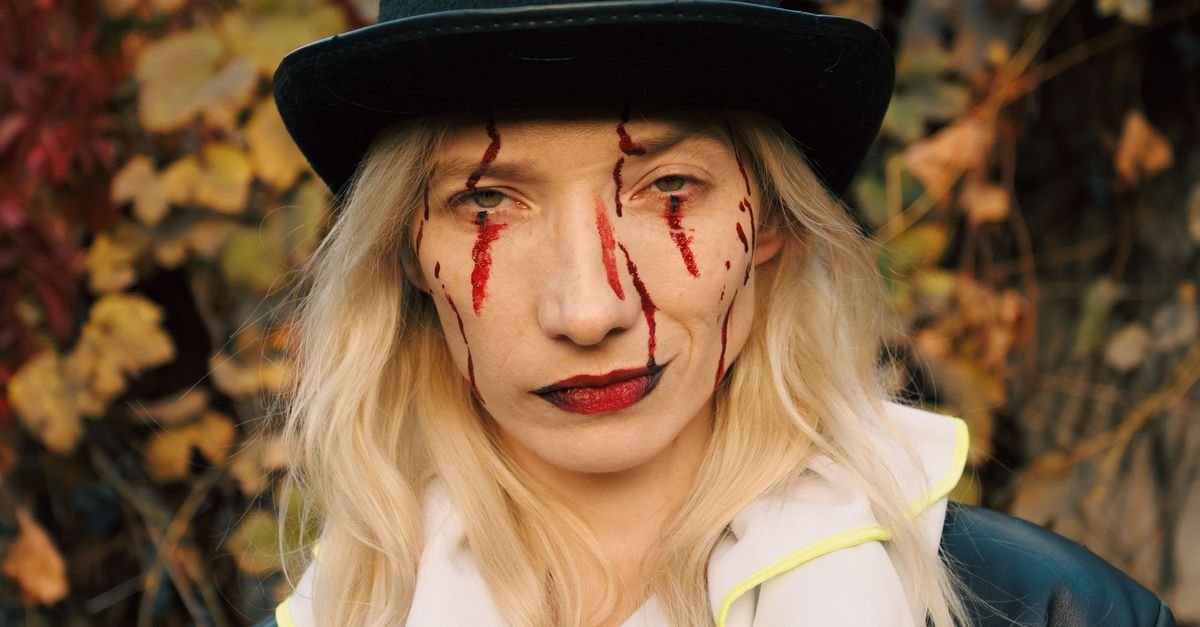
Inspired by film and pop culture, horror clowns use stark contrasts, dark shadows, and unsettling details such as smeared blood, cracked paint, or distorted features.
- Pros: High impact for Halloween or thriller events, showcases makeup skill, memorable for audiences.
- Cons: May be too intense for family-friendly gigs, requires precise blending to avoid a sloppy look, often needs additional prosthetic pieces.
Choosing the Right Theme
When deciding, consider the event’s tone, the age of the audience, and your personal comfort with dramatic effects. A birthday party clown can be tweaked with subtle horror accents for a teen party, while a horror clown can be softened with brighter accents for a circus crossover.
DIY Kits vs. Professional Makeup Packages: What’s Worth Your Money?

Investing in the right tools can make or break a makeup session. Below is a side‑by‑side comparison of typical DIY kits you can buy at a drugstore versus professional packages sold by theatrical supply companies.
| Feature | DIY Kit | Professional Package |
|---|---|---|
| Average Price | $15‑$30 | $80‑$200 |
| Ingredient Quality | Basic pigments, may contain talc | High‑grade, skin‑safe pigments, often hypoallergenic |
| Color Range | Limited to primary colors | Extensive palette including metallics, glitters, and neon |
| Longevity (under stage lights) | 2‑3 hours | 6‑8 hours with setting spray |
| Skill Level Required | Beginner | Intermediate to advanced |
DIY kits are perfect for beginners or occasional performers who need a quick, budget‑friendly solution. Professional packages, while pricier, provide superior pigmentation, longer wear time, and a broader range of creative options, making them ideal for seasoned entertainers or productions with multiple performers.
Color Palette Choices: Bright Primaries vs. Subtle Pastels

Color selection is the heart of clown identity. Two dominant strategies dominate the scene: the classic bright primary palette and the emerging pastel trend.
Bright Primary Palette
Red, blue, yellow, and green dominate this approach. The colors are saturated, high‑contrast, and instantly eye‑catching.
- Pros: Maximum visibility, classic clown vibe, easy to match with costume accessories.
- Cons: Can be overwhelming in small venues, may clash with certain lighting setups, limited for nuanced character work.
Pastel Palette
Soft pinks, mint greens, lavender, and baby blues create a gentler, modern aesthetic. Pastels work well for themed events like children’s theater or boutique circus acts.
- Pros: Sophisticated look, blends well with high‑definition video, suitable for adult‑oriented performances.
- Cons: Reduced distance visibility, may require additional accent colors for definition, often needs a high‑quality base to prevent dullness.
Mix‑and‑Match Tips
Many performers combine both palettes: a pastel base with bright accent details on the eyes or mouth. This hybrid approach leverages the strengths of each while mitigating their weaknesses.
Application Techniques: Airbrush Precision vs. Hand‑Painted Artistry

How you apply makeup can affect finish, durability, and the time needed for preparation. Below we examine the two most common methods.
Airbrush Application
Using a compressor and a fine‑mist nozzle, airbrush delivers an even, veil‑like layer that can be built up gradually. It excels at covering large areas quickly and achieving flawless gradients.
- Pros: Ultra‑smooth finish, fast coverage for full‑face bases, excellent for high‑definition video.
- Cons: Requires equipment investment, cleaning is time‑consuming, learning curve for consistent pressure.
Hand‑Painted Application
Traditional brushes, sponges, and even fingertips allow for tactile control and intricate detail work. Artists can create texture, stippling, and layered effects that are harder to achieve with an airbrush.
- Pros: Greater detail control, lower upfront cost, portable for on‑site touch‑ups.
- Cons: Can be uneven on large surfaces, more time‑intensive for full‑face coverage, potential for streaks if not practiced.
Choosing the Right Method
If you perform daily or have a large crew, an airbrush system may save hours in the long run. Solo performers or those on a tight budget often stick with hand‑painting, especially when the design calls for fine line work.
Quick Clown Makeup Facts You Might Not Know
- Clown makeup dates back to 19th‑century European circus performers who used greasepaint to survive harsh lighting.
- The iconic red nose was popularized by the 19th‑century clown Joseph Grimaldi, who used a bright red rubber bulb.
- Modern airbrush systems can lay down a flawless base in under two minutes, dramatically reducing prep time.
- UV‑reactive makeup allows clowns to glow under black‑light, a favorite for rave‑style circus acts.
- Some professional clowns apply a thin layer of petroleum jelly before makeup to protect sensitive skin.
- In Japan, “Kigurumi” clown makeup incorporates full-body mascot suits, merging costume and makeup into a single artistic expression.
Frequently Asked Questions
What is the best foundation for clown makeup?
A high‑coverage, waterproof liquid foundation with a matte finish works best because it creates a smooth canvas and resists sweat under stage lights.
Can I use regular face paint for a professional clown performance?
Regular face paint is fine for casual parties, but professional performances benefit from theatrical makeup that is skin‑safe, longer‑lasting, and designed for intense lighting.
How long does a full clown makeup look typically last?
With a quality base, setting spray, and proper lighting, a well‑executed look can last 6‑8 hours, though touch‑ups may be needed after heavy sweating.
Do I need to practice airbrush techniques before a live show?
Yes. Airbrush requires consistent pressure and distance control. Practicing on a mannequin or a friend for at least a few hours will prevent on‑stage mishaps.
Is it safe to use glitter on the face?
Only use cosmetic‑grade glitter that is specifically labeled for facial use. Regular craft glitter can cause irritation and is not recommended.
How can I remove stubborn clown makeup without hurting my skin?
Use an oil‑based remover or micellar water followed by a gentle cleanser. For airbrush bases, a makeup remover designed for theatrical pigments works best.
Final Thoughts
Clown makeup is a versatile art form that blends tradition with innovation. By weighing the pros and cons of classic versus modern bases, themed versus neutral designs, DIY versus professional kits, color palettes, and application methods, you can craft a look that fits your audience, budget, and personal style.
Remember that the most memorable clowns are those who understand how each element color, texture, and technique works together to tell a story. Armed with the comparisons and tips in this guide, you’re ready to step into the spotlight and make audiences laugh, gasp, or both.

Hi, I’m Emily Carter, the mind and heart behind CaptionMood — a creative space designed to help you express your thoughts with the perfect words.
As a writer and digital content enthusiast, I’ve always believed that captions are more than just text; they’re emotions, stories, and reflections of who we are. With CaptionMood, my mission is to provide unique and engaging Mood Captions, Occasion Captions, and Social Media Captions that resonate with people from all walks of life.
Thank you for visiting and being part of this journey. Through CaptionMood, I hope to inspire, connect, and make every post more meaningful.