
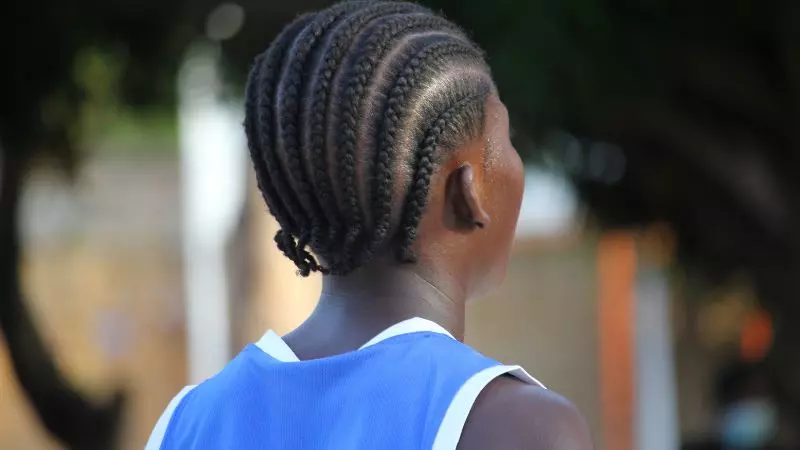
African braids, known in Spanish as trenzas africanas, have transcended borders to become a global fashion statement, a protective hairstyle, and a symbol of cultural identity.
Whether you are a first‑time wearer or a seasoned enthusiast, deciding which braid type, material, and maintenance routine best fits your lifestyle can feel overwhelming.
This guide breaks down the most popular styles, weighs their pros and cons, and provides practical advice so you can make an informed choice that honors the heritage of trenzas africanas while meeting your personal needs.
Understanding the Roots: History and Cultural Significance of Trenzas Africanas

Origins in Africa
Trenzas africanas trace back thousands of years to ancient African societies where hair served as a visual language. In regions such as West Africa, intricate patterns communicated tribal affiliation, marital status, age, and even socioeconomic rank. Materials ranged from natural fibers and animal hair to plant‑based dyes, creating a vivid tapestry of personal and communal narratives.
Evolution in the Diaspora
When Africans were displaced across the Atlantic, braiding techniques traveled with them, adapting to new environments and materials. In the United States, the 1960s Black Power movement revived traditional styles as a form of resistance, while contemporary pop culture has turned trenzas africanas into runway statements. Today, the practice blends reverence for ancestry with modern aesthetics, making it both a cultural homage and a versatile fashion choice.
Popular Types of African Braids and Their Unique Features

Box Braids
Box braids consist of square‑shaped sections that are individually plaited, often using synthetic or human hair extensions. They are celebrated for their versatility and ability to accommodate a range of lengths and thicknesses.
- Pros: Low daily maintenance, can last 6‑8 weeks, protects natural hair.
- Cons: Installation can be time‑intensive, potential tension on scalp if too tight.
Cornrows
Cornrows are tight, close‑to‑scalp braids that follow linear or intricate geometric patterns. Historically, they were used to map routes and convey messages.
- Pros: Extremely durable, ideal for active lifestyles, minimal weight.
- Cons: Requires regular re‑braiding to prevent matting, can cause scalp irritation if not properly installed.
Senegalese Twists
These are two‑strand twists made with silky synthetic or human hair, offering a softer appearance than traditional braids.
- Pros: Quick to install, gives a natural, flowing look, easy to undo.
- Cons: Less protective than tighter styles, may unravel faster in humid climates.
Ghana Braids (Cornrow Variations)
Ghana braids are a variation of cornrows that incorporate thicker sections and decorative beading or cuffs.
- Pros: Highly customizable, great for showcasing accessories, strong protective qualities.
- Cons: Requires skilled braider for intricate designs, can be heavy if heavily beaded.
Fulani Braids
Inspired by the West African Fulani tribe, this style combines braids with a central crown of thin strands and often includes ornamental beads.
- Pros: Eye‑catching, works well for formal occasions, adds volume.
- Cons: Maintenance of accessories can be time‑consuming, may need frequent tightening.
Materials and Techniques: Synthetic vs Natural Hair

Synthetic Hair: Pros and Cons
Synthetic fibers are manufactured from plastic polymers such as Kanekalon or Toyokalon. They are popular for their affordability and wide color range.
- Pros: Lower cost, retains style in rain, vibrant colors that don’t fade quickly.
- Cons: Less breathable, can feel heavier, may melt under high heat.
Human Hair: Pros and Cons
Human hair extensions, often sourced from donors of similar texture, provide the most natural feel and styling flexibility.
- Pros: Soft, breathable, can be heat‑styled, blends seamlessly with natural hair.
- Cons: Higher price point, requires more careful washing, may shed over time.
Installation Techniques
Professional braiders typically use three main techniques: hand‑braiding, crochet braiding, and knot‑tying. Hand‑braiding yields the most secure and scalp‑friendly results, while crochet braiding can speed up the process for large volumes. Knot‑tying is common for styles like Senegalese twists where a small knot secures the extension to the natural strand.
Maintenance and Longevity: How to Care for Your Trenzas Africanas

Daily Care Routine
Even the most protective braid needs regular attention to avoid buildup and scalp issues. Lightly spritz a mixture of water and a few drops of essential oil (such as tea tree or lavender) each morning to keep the scalp hydrated.
Nighttime Routine
Cover your braids with a silk or satin scarf or pillowcase to reduce friction. This simple step can extend the life of your style by up to two weeks.
Products to Use
- Clarifying shampoo (once a month) to remove product residue.
- Lightweight leave‑in conditioner to keep extensions supple.
- Scalp soothing spray with witch hazel for itch relief.
Cost and Time Investment: Budgeting for Different Braiding Options

Choosing a style often hinges on how much you are willing to spend and how much time you can allocate for installation and upkeep. The table below summarizes typical price ranges, estimated installation time, and average durability for the most common trenzas africanas.
| Style | Typical Cost (USD) | Installation Time | Average Longevity |
|---|---|---|---|
| Box Braids (Synthetic) | $80‑$150 | 4‑6 hours | 6‑8 weeks |
| Box Braids (Human Hair) | $150‑$300 | 5‑7 hours | 8‑10 weeks |
| Cornrows | $70‑$130 | 3‑5 hours | 4‑6 weeks |
| Senegalese Twists | $100‑$180 | 2‑4 hours | 5‑7 weeks |
| Ghana Braids with Beads | $120‑$200 | 4‑6 hours | 6‑9 weeks |
Choosing the Right Style for Your Lifestyle: A Decision‑Making Guide
Below is a concise pros‑and‑cons matrix that helps you align a braid type with your daily routine, hair goals, and budget.
- Active athletes or military personnel: Cornrows – low weight, high durability, but require regular re‑braiding.
- Professional office environment: Box braids with human hair – polished look, longer wear time, higher upfront cost.
- n
- Students on a budget: Senegalese twists with synthetic hair – quick installation, affordable, but need more frequent touch‑ups.
- Fashion‑forward events: Ghana braids with decorative beads – dramatic visual impact, excellent for photos, may need extra maintenance.
Quick Facts About Trenzas Africanas
- The term “trenzas africanas” encompasses over 30 distinct braid patterns across the continent.
- Traditional African braiding societies often used hair to record personal histories, similar to a living diary.
- Modern synthetic fibers can mimic the texture of natural African hair while offering a price‑point under $20 per pack.
- Properly installed braids can reduce breakage by up to 70% compared to leaving natural hair unprotected.
- Many professional athletes, including NBA star LeBron James, wear cornrows to keep hair manageable during intense activity.
- In 2020, Google reported a 45% increase in searches for “African braids care routine,” highlighting growing global interest.
Frequently Asked Questions
How long can I keep box braids before they need to be taken down?
Box braids typically remain healthy for 6‑8 weeks if you follow a consistent moisturizing routine and avoid excessive tension.
Can I wash my braids with regular shampoo?
Yes, but use a sulfate‑free, gentle shampoo. Focus on the scalp, letting the lather rinse through the extensions without vigorous rubbing.
Are synthetic braids safe for people with sensitive scalps?
Most synthetic fibers are hypoallergenic, but if you experience itching, opt for a breathable, lightweight synthetic like Kanekalon and ensure the braids are not installed too tightly.
Do I need to moisturize my natural hair underneath the braids?
Absolutely. Lightly apply a water‑based leave‑in conditioner or a scalp moisturizer every few days to keep the roots hydrated.
What is the best way to remove braids without damaging my hair?
Gently loosen the knots with a spray bottle of warm water, then use a wide‑tooth comb or your fingers to unwind each braid. Patience is key; rushing can cause breakage.
Final Thoughts
Trenzas africanas are more than a hairstyle they are a living bridge between history, culture, and personal expression. By weighing the advantages of each braid type, the material you choose, and the care routine you can realistically maintain, you empower yourself to enjoy beautiful, protective hair that honors its roots.
Whether you opt for sleek cornrows, voluminous box braids, or ornate Fulani styles, the right choice will keep your hair healthy, your look fresh, and your cultural connection strong.

Hi, I’m Emily Carter, the mind and heart behind CaptionMood — a creative space designed to help you express your thoughts with the perfect words.
As a writer and digital content enthusiast, I’ve always believed that captions are more than just text; they’re emotions, stories, and reflections of who we are. With CaptionMood, my mission is to provide unique and engaging Mood Captions, Occasion Captions, and Social Media Captions that resonate with people from all walks of life.
Thank you for visiting and being part of this journey. Through CaptionMood, I hope to inspire, connect, and make every post more meaningful.