
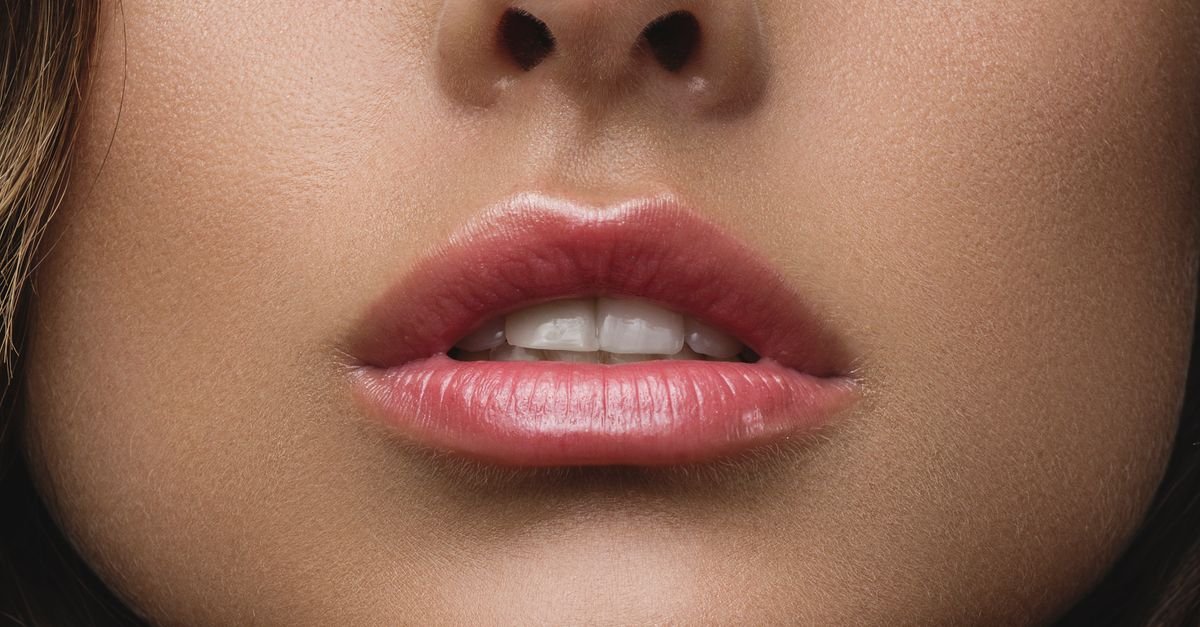
Olive‑toned skin is a beautiful canvas that can glow with the right makeup techniques. Whether you have a light, medium, or deep olive complexion, the key is to choose shades that enhance your natural warmth while balancing undertones.
This guide walks you through every stage of the process from prepping your skin to mastering the perfect eye look so you can achieve a polished, radiant finish every time.
Step 1: Prep Your Olive Canvas for Long‑Lasting Color

Preparation is the foundation of any makeup routine, especially for olive skin which can be prone to uneven texture and oiliness. A well‑prepped face ensures that colors stay true and last all day.
Cleanse and Exfoliate
Start with a gentle cleanser that removes impurities without stripping natural oils. Follow with a mild exfoliator (2–3 times a week) to smooth rough patches that can cause makeup to cling unevenly.
Moisturize for Balance
Choose a lightweight, oil‑free moisturizer infused with antioxidants like vitamin E or green tea. These ingredients protect olive skin’s natural radiance while keeping the surface hydrated.
Prime for Perfection
- Mattifying primer for oily T‑zones.
- Luminous primer for drier areas to add a subtle glow.
- Apply a pea‑sized amount and blend outward for an even base.
Step 2: Choose the Right Foundation Shade and Formula

Finding the perfect foundation for olive skin can be tricky because undertones range from neutral‑green to golden. The goal is to match the skin’s depth while neutralising any unwanted redness or sallowness.
Identify Your Undertone
- Look at the veins on your wrist: green‑ish veins suggest a warm undertone, bluish veins indicate cool, and a mix points to neutral.
- Gold jewelry typically flatters warm olive tones, while silver enhances cooler shades.
Formula Recommendations
| Formula | Best For | Key Benefits |
|---|---|---|
| Liquid SPF 30 | All‑day wear | Even coverage, sun protection |
| Creamy stick | Dry or mature olive skin | Hydrating, blurs fine lines |
| Powder‑liquid hybrid | Combination/oily areas | Controls shine, smooth finish |
Application Technique
Use a damp beauty sponge for a natural, skin‑like finish or a flat brush for full coverage. Start at the center of the face and blend outward, ensuring there are no harsh lines at the jawline.
Step 3: Enhance Your Features with the Perfect Contour and Highlight

Olive skin’s natural warmth can make traditional cool‑toned contour powders appear too harsh. Opt for bronzy or neutral shades that sculpt without creating a stark contrast.
Contouring Tips
- Choose a contour powder or cream that is 2–3 shades deeper than your foundation, with a warm undertone.
- Apply under the cheekbones, along the hairline, and at the jaw to create dimension.
- Blend with a fluffy brush in circular motions for a seamless transition.
Highlighting for Olive Glow
Golden or champagne highlights complement olive tones beautifully. Sweep highlighter on the high points of the face—cheekbones, bridge of the nose, cupid’s bow, and the inner brow bone.
Step 4: Master Eye Makeup That Pops on Olive Skin

The eyes are the perfect place to experiment with color. Olive skin pairs well with both warm earth tones and bold jewel shades, as long as you balance intensity with the rest of your look.
Choosing the Right Eyeshadow Palette
- Warm palettes: terracotta, burnt orange, copper, and warm browns.
- Cool palettes: plum, teal, navy, and emerald—these provide striking contrast without clashing.
- Look for palettes that include a mix of matte and shimmer finishes for depth.
Step‑by‑Step Eye Application
- Apply a neutral matte base shade across the lid to even out color.
- Blend a medium‑tone shade into the crease for definition.
- Use a deep, warm shade on the outer V to add drama.
- Apply a shimmery highlight on the inner corner and brow bone.
- Line the upper lash line with a brown or dark olive eyeliner for a softer look than black.
- Finish with two coats of volumising mascara.
Eyebrow Shaping for Olive Skin
Olive skin often has a slightly darker hair color, so choose a brow product that matches the natural shade—usually a medium to dark brown. Fill in using light, feathery strokes and set with a clear gel to keep them in place.
Step 5: Finish the Look with Lip Color and Setting Techniques

The final touches bring cohesion to the whole look. Selecting the right lip shade and ensuring everything stays put are essential for a polished finish.
Lip Color Selection
- Neutral everyday: warm nude, caramel, or soft rose.
- Evening glamour: deep berry, terracotta, or classic red with orange undertones.
- For a pop of color, try a bold coral that mirrors the warmth of olive skin.
p>
Setting Your Makeup
Use a translucent setting powder on the T‑zone to control shine, then spritz a setting spray with a dewy finish to lock in moisture and add a subtle radiance.
Quick Reference: Olive Skin Makeup Essentials
- Primer: mattifying for oily zones, luminous for dry areas.
- Foundation: warm‑neutral shade, liquid or cream formula.
- Contour: warm bronzy powder or cream, 2–3 shades deeper.
- Highlight: champagne or gold shimmer.
- Eyeshadow: mix of warm earth tones and cool jewel shades.
- Lip: warm nude to bold berry, depending on occasion.
Frequently Asked Questions
What foundation undertone works best for olive skin?
Warm‑neutral or golden undertones usually complement olive skin best. Test by swatching along the jawline; the shade should disappear into the skin without leaving a gray or orange cast.
Can I wear cool‑toned eyeshadows with olive skin?
Yes! Cool shades like plum, teal, and navy create a striking contrast when balanced with a warm base or neutral lips. The key is to keep the rest of the makeup relatively muted.
How do I prevent my makeup from sliding off oily olive skin?
Start with a thorough cleanse, use a mattifying primer on the T‑zone, choose oil‑control foundations, and finish with a lightweight setting powder and spray.
Is bronzer necessary for olive skin?
Bronzer can enhance the natural warmth of olive skin, but choose a shade that is only slightly deeper than your skin tone to avoid an overly orange look.
What lipstick shades are most flattering for olive undertones?
Warm reds, corals, terracotta, and berry tones complement olive undertones. If you prefer neutrals, opt for caramel, warm nude, or soft rose shades.
Final Thoughts
Olive skin offers a rich, versatile backdrop for a wide spectrum of makeup looks. By understanding your undertone, selecting the right formulas, and following a systematic application process, you can create everything from a natural everyday glow to a dramatic evening statement.
Use this guide as your roadmap, experiment with colors you love, and let your natural warmth shine through every brushstroke.

Hi, I’m Emily Carter, the mind and heart behind CaptionMood — a creative space designed to help you express your thoughts with the perfect words.
As a writer and digital content enthusiast, I’ve always believed that captions are more than just text; they’re emotions, stories, and reflections of who we are. With CaptionMood, my mission is to provide unique and engaging Mood Captions, Occasion Captions, and Social Media Captions that resonate with people from all walks of life.
Thank you for visiting and being part of this journey. Through CaptionMood, I hope to inspire, connect, and make every post more meaningful.