
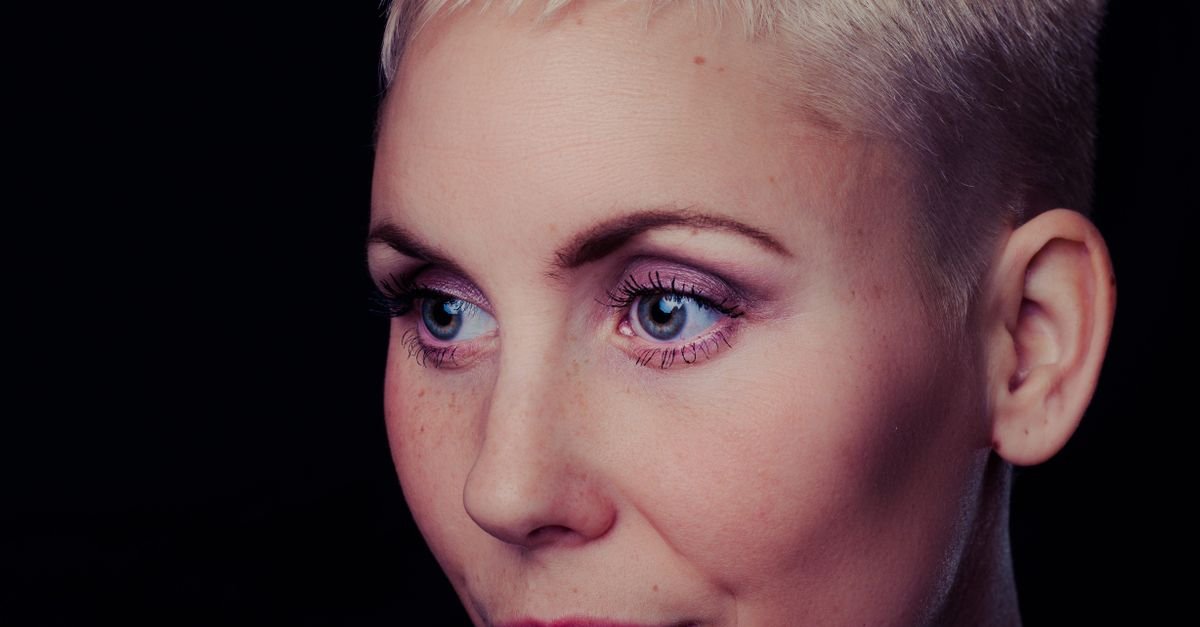
The short pixie cut has surged from runway daring to everyday practicality, offering a bold statement that blends low‑maintenance convenience with high‑fashion flair. Whether you are contemplating a dramatic change or simply polishing an existing style, understanding the nuances of this haircut can save you time, money, and countless styling frustrations.
In this guide we compare the main variations, weigh the benefits against the drawbacks, and provide actionable tips so you can decide if a short pixie cut truly fits your lifestyle and aesthetic.
Understanding the Short Pixie Cut: What It Is and Who It Suits

Key Characteristics
A short pixie cut typically ranges from 1 to 3 inches in length, featuring layered or textured top sections that add volume while the sides and back remain closely cropped. The style emphasizes facial features rather than hair length, making it a popular choice for those seeking a modern, confident look.
- Length: Generally 1–3 inches, though ultra‑short versions can be under an inch.
- Texture: Often layered to create movement; can be styled sleek or tousled.
- Maintenance: Requires regular trims to keep shape.
Pros and Cons of the Short Pixie Cut
- Pros:
- Quick drying and easy to style.
- Highlights facial structure, especially cheekbones.
- Reduces heat‑damage risk due to less exposure.
- Can be cost‑effective long‑term.
- Cons:
- Limited styling versatility compared to longer hair.
- Frequent salon visits needed to maintain shape.
- May feel too daring for some professional settings.
Length Variations: Classic vs. Ultra‑Short Pixie

The term “pixie cut” covers a spectrum from the classic, slightly longer version to the daring ultra‑short style that borders on a shaved look. Each length offers distinct advantages and challenges.
Classic Short Pixie (1.5–2.5 inches)
This length retains enough hair on top for subtle styling—think soft waves, side‑swept bangs, or a polished slick‑back. It works well for most face shapes and allows a modest amount of volume.
Ultra‑Short Pixie (under 1.5 inches)
The ultra‑short pixie eliminates most top length, creating a sculptural silhouette that demands confidence. It is especially flattering on oval and heart‑shaped faces where the hair can accentuate natural angles.
- Classic Pixie: More styling options, slightly lower maintenance cost per trim.
- Ultra‑Short Pixie: Maximum time‑saving on daily styling, but requires precise cuts.
Texture Options: Straight, Wavy, and Curly Short Pixie Cuts

Hair texture dramatically influences how a short pixie cut behaves. Straight hair can appear sleek and geometric, while wavy or curly textures add natural bounce and soften the cut’s edges.
| Texture | Styling Ease | Recommended Length | Typical Products |
|---|---|---|---|
| Straight | High (easy to flat‑iron) | 1.5–2.5″ | Light mousse, shine serum |
| Wavy | Medium (needs curl‑enhancing products) | 2–3″ | Sea‑salt spray, lightweight cream |
| Curly | Low (requires moisture control) | 2–3″ with layered cut | Hydrating gel, curl cream |
Choosing the right texture‑specific approach prevents frizz, maintains shape, and maximizes the cut’s visual impact.
Face Shape Pairings: Matching the Right Pixie to Your Features

Because a short pixie cut highlights the face, aligning the style with your facial geometry is essential. Below is a quick guide that matches popular face shapes to the most flattering pixie variations.
- Oval: Most pixie styles work; consider a slightly longer top for added volume.
- Round: Opt for asymmetrical or side‑swept bangs to create the illusion of length.
- Square: Soften strong jawlines with textured layers and a soft fringe.
- Heart: Choose a longer front with a tapered back to balance a wider forehead.
- Long/Rectangular: Add width with horizontal layers and avoid overly sleek finishes.
Styling Tools and Products: Getting the Most Out of Your Short Pixie

Even a short haircut benefits from the right toolkit. Below are essential items and why they matter for a short pixie cut.
- Round‑brush & blow‑dryer: Creates volume at the roots for a lifted look.
- Flat‑iron: Ideal for sleek, polished finishes on straight textures.
- Diffuser attachment: Preserves natural wave or curl without frizz.
- Lightweight mousse or texturizing spray: Adds body without weighing hair down.
- Finishing serum: Provides shine and tames fly‑aways, especially on straight pixies.
Maintenance Frequency: How Often to Trim and Refresh
Keeping a short pixie cut sharp hinges on a regular trimming schedule. However, the optimal frequency varies based on growth rate, texture, and personal style goals.
Frequent Trims (Every 4–6 Weeks)
Pros: Maintains precise shape, prevents unwanted length, ideal for ultra‑short styles.
Extended Intervals (Every 8–10 Weeks)
Pros: Reduces salon costs, allows the cut to grow out slightly for a softer look; cons: may lose the crisp edge of the pixie.
- Fast growers (e.g., fine hair) may need 4‑week trims.
- Slower growers (e.g., thick, coarse hair) can stretch to 10 weeks.
Cost Considerations: Salon Prices, DIY, and Long‑Term Savings
While the upfront cost of a professional pixie cut can vary, the long‑term financial picture often favors the short style due to reduced product use and quicker daily routines.
| Option | Initial Cost | Ongoing Costs (per month) | Notes |
|---|---|---|---|
| Salon Professional (Standard) | $80‑$120 | $30‑$50 (trim every 6 weeks) | Best for precision and personalized layering. |
| Salon Professional (High‑End) | $150‑$250 | $40‑$60 | Includes premium products, color, or advanced texturizing. |
| DIY at Home | $30‑$60 (clippers, scissors) | $10‑$15 (hair products) | Requires skill; risk of uneven cut. |
When you add up product savings, time saved on styling, and fewer salon visits for coloring, the short pixie cut often emerges as a cost‑effective choice over the long run.
Quick Facts About the Short Pixie Cut
- Originated in the 1950s but gained mainstream popularity in the 1990s with celebrities like Winona Ryder.
- Works best on hair that is at least medium thickness; very fine hair may need texturizing products to avoid a flat look.
- Most barbers and stylists can complete the cut in 30‑45 minutes.
- Can be combined with subtle highlights or low‑lights for added dimension without sacrificing the cut’s simplicity.
- Suitable for most climates; however, extremely humid environments may require anti‑frizz serums for wavy or curly versions.
Frequently Asked Questions
Can I grow a short pixie cut out without damaging my hair?
Yes. Transitioning from a pixie to longer hair is safest when you let it grow naturally and schedule regular trims to remove split ends. Using a deep‑conditioning mask weekly helps maintain elasticity during the growth phase.
How often should I wash a short pixie cut?
Because the hair is short, oils distribute quickly, so many people find washing 2–3 times per week sufficient. Adjust based on scalp oiliness and styling product usage.
Is a short pixie cut appropriate for a professional workplace?
Most modern offices accept a well‑groomed pixie. Keep the edges tidy, avoid overly edgy colors if your workplace is conservative, and use a light styling product for a polished finish.
Will a short pixie cut hide a receding hairline?
A ultra‑short pixie can actually draw attention away from a receding hairline by adding volume at the crown. Adding a side‑swept fringe can also camouflage thinning areas.
Can I add color to a short pixie cut without compromising its shape?
Absolutely. Highlights, low‑lights, or balayage can be applied to a short pixie, but it’s best to use a professional who can place color strategically to maintain the cut’s silhouette.
Final Thoughts
The short pixie cut is more than a fleeting trend; it is a versatile, low‑maintenance option that can be tailored to a wide range of textures, face shapes, and lifestyle needs. By weighing the pros and cons of length, texture, and upkeep, you can choose a version that accentuates your natural features while fitting your budget and schedule.
Whether you opt for a classic, slightly longer pixie or an avant‑garde ultra‑short style, the key to success lies in regular maintenance, the right styling products, and confidence in the bold, timeless look you’ll wear every day.

Hi, I’m Emily Carter, the mind and heart behind CaptionMood — a creative space designed to help you express your thoughts with the perfect words.
As a writer and digital content enthusiast, I’ve always believed that captions are more than just text; they’re emotions, stories, and reflections of who we are. With CaptionMood, my mission is to provide unique and engaging Mood Captions, Occasion Captions, and Social Media Captions that resonate with people from all walks of life.
Thank you for visiting and being part of this journey. Through CaptionMood, I hope to inspire, connect, and make every post more meaningful.