
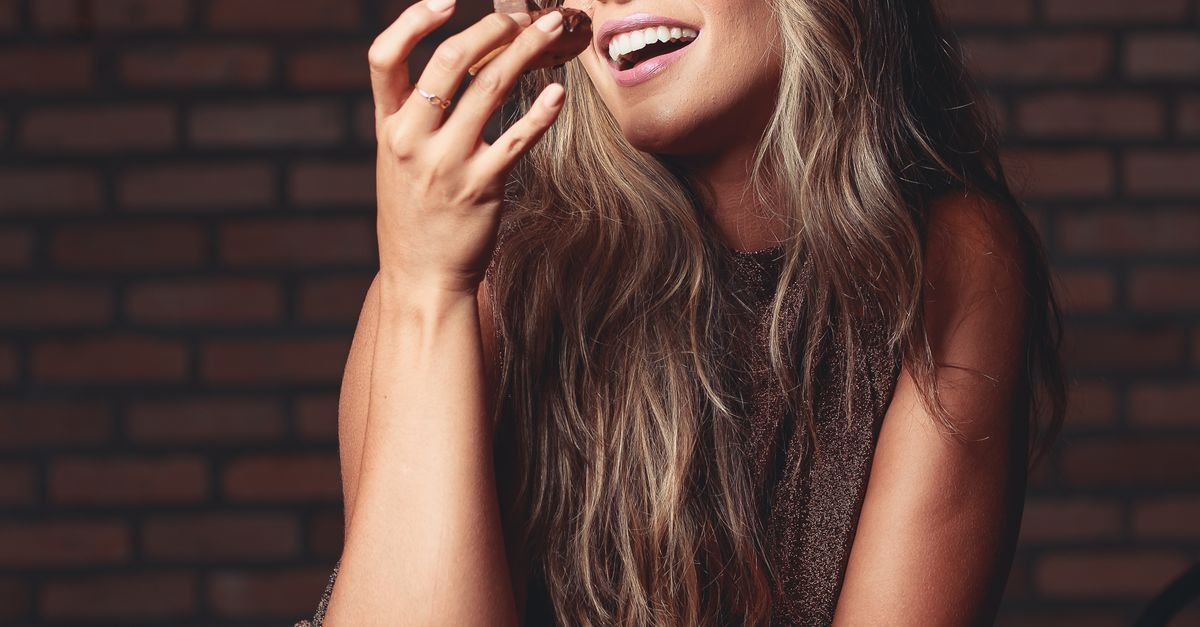
Dreaming of a glossy, sun‑kissed shade that feels as luxurious as a sip of hot cocoa? Warm chocolate brown hair offers that perfect blend of richness and softness, flattering a wide range of skin tones while adding depth and movement to any style.
Whether you plan to go all‑in at the salon or experiment at home, this comprehensive guide walks you through every decision, preparation, and maintenance tip you need to master the look.
Understanding the Warm Chocolate Brown Hair Palette

What defines “warm” in hair color?
Warm tones are anchored by golden, amber, or reddish undertones that catch light and create a luminous effect. In a chocolate brown base, warmth manifests as subtle hints of caramel, copper, or mahogany, turning a flat brown into a living, breathing shade. The warmth can be adjusted by the proportion of red or gold pigments in the dye, allowing you to customize the intensity to match personal preference.
How chocolate brown differs from other browns
Chocolate brown sits between medium and dark brown on the value scale, but its defining characteristic is the silky, muted depth reminiscent of melted chocolate. Unlike ash brown, which leans toward cool, blue‑gray undertones, chocolate brown embraces warmth, making it especially flattering on warm or neutral skin tones.
The shade also works well with highlights, lowlights, or balayage because the base color provides a natural canvas for contrast.
Assessing Your Natural Base and Skin Tone

Determining undertones
Before choosing a specific warm chocolate shade, identify your skin’s undertone. Look at the veins on the inside of your wrist: green suggests warm, blue/purple indicates cool, and a mix points to neutral. Another quick test is to hold a gold versus silver jewelry piece against your skin—gold flatters warm tones, silver flatters cool. Your undertone will guide you toward a chocolate brown with the right balance of gold or copper.
Matching hair color to skin
If you have warm undertones, a chocolate brown with golden or caramel highlights will harmonize beautifully. For neutral undertones, a balanced chocolate with both gold and subtle red works best.
Those with cool undertones can still enjoy the shade by opting for a cooler chocolate that leans slightly toward ash, then adding warm lowlights to keep the overall look lively without clashing.
Choosing the Right Dye Formula

Permanent vs. semi‑permanent
Permanent dyes penetrate the hair shaft, offering lasting color change and the ability to cover gray, but they also involve stronger chemicals. Semi‑permanent formulas coat the cuticle, providing a softer, more natural look that fades gradually—ideal for testing a warm chocolate shade before committing.
If you’re new to this color family, start with a semi‑permanent option and upgrade to permanent once you’re confident.
Recommended brands & shades
Below is a quick comparison of four reputable brands that specialize in warm chocolate brown tones. Each offers a range of formulations to suit different needs.
| Brand | Shade Name | Type | Key Warm Notes |
|---|---|---|---|
| L’Oréal Paris Excellence | Chocolate Truffle 6.3 | Permanent | Gold‑caramel infusion, high lift |
| Clairol Natural Instincts | Warm Chocolate 4C | Semi‑permanent | Soft copper undertone, gentle on hair |
| Schwarzkopf Color Ultime | Chocolate Delight 5.5 | Permanent | Rich mahogany shimmer, fade‑resistant |
| Wella Koleston Perfect | Chocolate 6/0 | Permanent | Balanced gold‑red mix, salon quality |
Preparing Your Hair for Color

Pre‑color treatments
Healthy hair holds color better. In the two weeks before dyeing, use a clarifying shampoo once to remove product buildup, then follow with a deep‑conditioning mask twice a week. Avoid harsh chemical treatments (e.g., bleaching or perming) within a month of coloring, as they can compromise the cuticle and lead to uneven results.
At‑home vs. salon prep
Salons typically perform a strand test, apply a protective barrier around the hairline, and may pre‑lighten darker hair to ensure the warm chocolate shade develops fully. At home, replicate these steps: mix a small amount of dye on a hidden strand, wait the recommended time, and check the outcome. Use petroleum jelly along the hairline to prevent staining, and wear gloves to protect your skin.
Step‑by‑Step Application Process

Mixing the dye
Follow the manufacturer’s instructions precisely—usually a 1:1 ratio of color cream to developer (20‑volume is standard for most chocolate browns). Stir until the mixture is uniform, avoiding air bubbles that can create streaks.
Sectioning and applying
Divide the hair into four quadrants using clips. Starting at the back, apply the dye with an applicator brush, working from roots to ends. For natural-looking depth, focus the warmest tones on the lower layers and the cooler chocolate base on the top. Ensure each section is saturated, then gently massage the scalp to distribute the color evenly.
Timing and rinsing
Leave the dye on for the time specified—typically 30‑45 minutes for permanent, 20‑30 minutes for semi‑permanent. Check the development at the 20‑minute mark; if the color looks too light, extend the time in one‑minute increments. Rinse with lukewarm water until the water runs clear, then apply the post‑color conditioner provided in the kit to lock in moisture.
Maintaining Vibrancy and Health
Shampoo & conditioner recommendations
Switch to a sulfate‑free shampoo designed for color‑treated hair. Look for ingredients like keratin, argan oil, or chamomile, which protect the cuticle and enhance warmth. Condition regularly, focusing on the mid‑lengths and ends to prevent dryness that can dull the chocolate sheen.
Protective styling & heat
Limit heat styling to two‑three times per week. When you do use a flat iron or curling wand, set the temperature below 350°F and always apply a heat protectant spray. Protective styles such as loose braids or low buns reduce friction and keep the color from fading prematurely.
Styling Tips to Highlight Warm Chocolate Tones
Cut and layers
Long, layered cuts allow light to bounce off the hair, amplifying the warm undertones. A face‑framing angle‑cut adds movement, while a subtle shag creates texture that showcases the chocolate depth. For shorter hair, a textured bob with soft waves reveals the richness of the shade without overwhelming the face.
Color‑enhancing accessories
Incorporate warm-toned accessories—such as gold hair clips, copper headbands, or rust‑colored scarves—to echo the chocolate’s undertones. Even a tinted dry shampoo with a hint of caramel can revive the hue between washes, especially on cooler days when color can look muted.
Quick Warm Chocolate Brown Hair Facts
- Warm chocolate brown contains 10‑15% gold or copper pigment for a sun‑kissed look.
- It works best on skin tones with yellow, peach, or golden undertones.
- Semi‑permanent versions fade 4‑6 weeks, giving you a low‑commitment trial.
- Adding a subtle balayage of caramel highlights can extend the life of the base color by up to three months.
- Regular use of a color‑protecting shampoo can preserve vibrancy up to 30% longer.
Frequently Asked Questions
Can I go from a cool ash brown to warm chocolate brown without bleaching?
Yes, if your current ash brown is not darker than a level 6. A permanent warm chocolate dye with a 20‑volume developer can lift enough to introduce warmth, but the result may be less dramatic than a full lift. Performing a strand test is recommended.
How often should I touch up my roots for warm chocolate hair?
For permanent color, schedule touch‑ups every 4‑6 weeks to keep the roots seamless. Semi‑permanent shades can be refreshed every 8‑10 weeks, though you may need to reapply the entire head to maintain uniform warmth.
Will warm chocolate brown hair look good on a very fair complexion?
On very fair skin, choose a lighter chocolate shade with more caramel highlights rather than a deep, rich brown. This prevents the hair from overwhelming the delicate complexion and creates a balanced contrast.
Is there a risk of the color turning too reddish?
Reddish tones can emerge if the dye sits longer than recommended or if the developer strength is too high. Stick to the timing guidelines and use a neutralizing shampoo if the hue becomes overly coppery.
Can I use a hair mask to enhance the warmth of my chocolate brown?
Absolutely. Masks containing honey, cinnamon, or apricot oil naturally add golden highlights over time, subtly intensifying the warmth while also nourishing the hair.
Final Thoughts
Warm chocolate brown hair is more than a color; it’s a versatile, luxurious statement that can be tailored to any lifestyle, skin tone, or budget. By understanding your undertones, selecting the right formula, and following the step‑by‑step application process outlined above, you’ll achieve a rich, radiant shade that turns heads and ages gracefully.
Remember, consistent care and thoughtful styling are the keys to keeping your chocolate hue looking fresh and vibrant for months to come.

Hi, I’m Emily Carter, the mind and heart behind CaptionMood — a creative space designed to help you express your thoughts with the perfect words.
As a writer and digital content enthusiast, I’ve always believed that captions are more than just text; they’re emotions, stories, and reflections of who we are. With CaptionMood, my mission is to provide unique and engaging Mood Captions, Occasion Captions, and Social Media Captions that resonate with people from all walks of life.
Thank you for visiting and being part of this journey. Through CaptionMood, I hope to inspire, connect, and make every post more meaningful.