
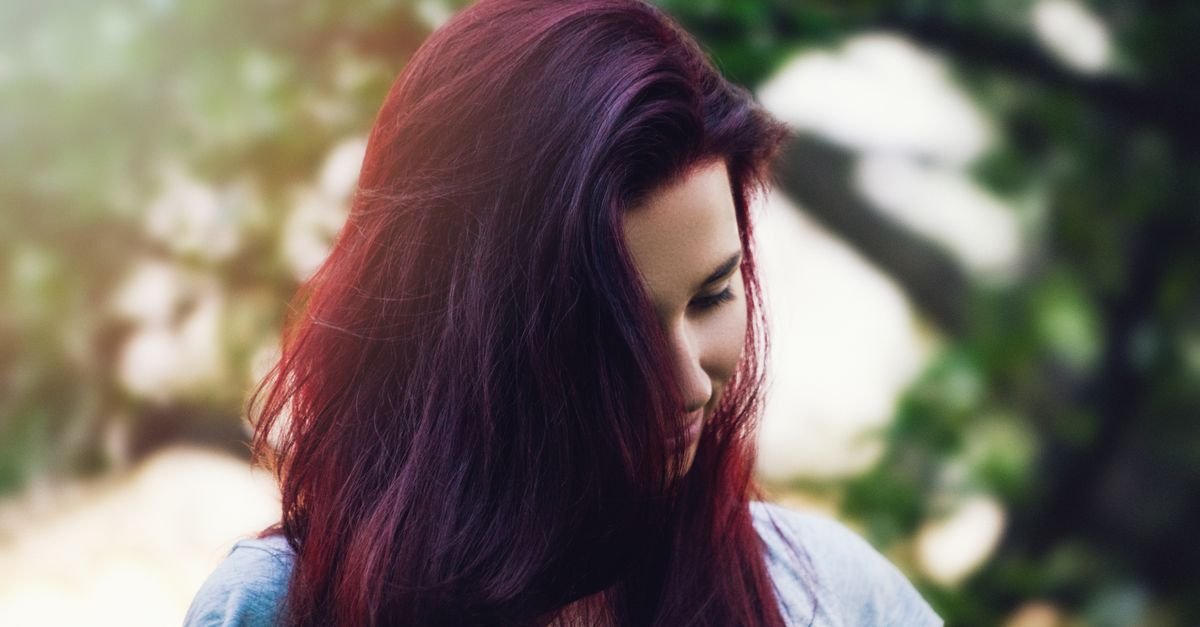
Mahogany brown hair has surged in popularity because it blends the depth of dark chocolate with a hint of red warmth, creating a shade that feels both classic and contemporary. Whether you are considering a subtle transition from a natural brown or a bold makeover, the decision involves more than just picking a dye from the shelf.
You must weigh shade selection, application methods, upkeep, styling options, and the health impact on your strands. This guide walks you through the most common angles, compares pros and cons, and equips you with actionable tips so you can decide if mahogany brown is the right hue for your next look.
Choosing the Right Shade of Mahogany Brown

Mahogany brown is not a monolithic color; it spans a spectrum from deep, almost burgundy tones to lighter, copper‑infused browns. The key to a flattering result lies in matching the undertone to your skin’s natural palette.
Warm vs. Cool Undertones
Warm undertones pair best with mahogany shades that lean toward copper and orange, while cool undertones shine with mahogany that carries a hint of violet or ash. To determine your undertone, look at the veins on the inside of your wrist: green suggests warm, blue or purple suggests cool. Once identified, you can narrow down the shade range that will enhance your complexion.
Natural vs. Artificial Shades
Natural shades mimic the subtle variations found in hair that has been lightened by the sun, often featuring soft highlights. Artificial shades are more vibrant, delivering a saturated look that can appear almost metallic.
- Pros of Natural Shades
- Looks more realistic and blends well with existing hair.
- Generally less damaging because the color deposit is lighter.
- Easier to maintain with less frequent touch‑ups.
- Cons of Natural Shades
- May lack the dramatic impact some seek.
- Subtle differences can be hard to discern in low lighting.
- Pros of Artificial Shades
- Provides a bold, eye‑catching transformation.
- Works well for fashion‑forward looks and photo shoots.
- Cons of Artificial Shades
- Higher risk of damage due to stronger pigments.
- Fades faster, requiring more frequent upkeep.
DIY Coloring vs. Professional Salon Services

One of the biggest decisions when going mahogany is whether to tackle the process at home or trust a professional. Both routes have distinct advantages and drawbacks.
- DIY Coloring
- Pros:
- Cost‑effective: kits range from $10‑$30, far cheaper than salon appointments.
- Convenient: you can color at your own pace, often over a weekend.
- Control: you decide the exact shade mix and timing.
- Cons:
- Risk of uneven application, especially on longer or textured hair.
- Limited access to professional‑grade pigments, which may affect vibrancy.
- Potential for scalp irritation if the product is not mixed correctly.
- Pros:
- Professional Salon Services
- Pros:
- Expertise in color theory ensures the shade complements your skin tone.
- Access to high‑quality, long‑lasting dyes and techniques like balayage.
- Immediate correction of any mistakes, reducing the chance of unwanted hues.
- Cons:
- Higher price point: typical mahogany treatments range from $80‑$180.
- Scheduling constraints – you may need an appointment weeks in advance.
- Potential for salon‑specific chemicals that could cause allergic reactions if not tested.
- Pros:
Maintenance Routines: How to Keep Mahogany Brown Vibrant

Mahogany brown is a color that thrives on consistent care. Neglect can lead to fading, brassiness, or a dull, lifeless look. Below are daily, weekly, and monthly habits that protect the hue.
Daily Essentials
- Use a sulfate‑free shampoo formulated for color‑treated hair.
- Rinse with cool water to seal the cuticle and lock in pigment.
- Apply a lightweight, silicone‑free conditioner focusing on the mid‑lengths and ends.
Weekly Boosters
- Incorporate a color‑protecting mask once a week to replenish lost moisture and pigment.
- Gently exfoliate the scalp with a clarifying scrub to prevent product buildup that can dull color.
Monthly Deep‑Care
- Schedule a professional gloss treatment or at‑home color‑depositing conditioner to revive vibrancy.
- Trim split ends to prevent upward migration of damage, which can cause the color to look faded at the tips.
Product Comparison Table
| Product Type | Key Benefit | Average Price (USD) | Recommended Frequency |
|---|---|---|---|
| Sulfate‑Free Shampoo | Protects cuticle, reduces fade | 12‑15 | Every wash |
| Color‑Depositing Conditioner | Refreshes mahogany tone | 18‑22 | 1‑2 times/week |
| Deep‑Repair Mask | Intensive moisture, strengthens | 20‑25 | Weekly |
| Gloss Treatment | Adds shine, enhances depth | 30‑45 (salon) | Monthly |
Styling Options that Complement Mahogany Brown

The right cut and styling products can accentuate the richness of mahogany brown, making the color appear more luminous and dynamic.
Haircuts that Highlight Depth
- Layered cuts: create movement that catches light, emphasizing the red undertones.
- Long bob (lob): the mid‑length length allows the color to transition smoothly from root to tip.
- Face‑framing side bangs: add contrast and draw attention to the warm hue near the face.
Makeup Pairings
Complementary makeup can enhance the overall look. Earthy tones like bronze eyeshadow, warm peach blush, and deep berry lipstick synchronize beautifully with mahogany brown hair, creating a cohesive, autumn‑inspired aesthetic.
Heat‑Free Styling
Frequent heat can accelerate color fading. Opt for low‑heat or heat‑free techniques such as braiding for waves, using a diffuser on cool settings, or embracing natural texture to preserve vibrancy.
Health Considerations: Hair Damage and Color Safety

Any chemical process, including mahogany brown dye, can affect hair health. Understanding potential risks helps you mitigate damage.
Potential Risks
- Cuticle lifting: permanent dyes open the cuticle, allowing pigment in but also increasing porosity.
- Allergic reactions: always perform a patch test 48 hours before full application.
- Dryness and brittleness: especially if the hair is already compromised from prior treatments.
Protective Strategies
- Pre‑color treatment: use a protein‑rich mask 24‑48 hours before dyeing.
- Low‑ammonia or ammonia‑free formulas: gentler on the scalp and cuticle.
- Post‑color care: avoid chlorinated water for the first 48 hours and limit sun exposure with UV‑protective sprays.
Quick Facts About Mahogany Brown Hair
- Mahogany brown originated as a popular salon shade in the early 2000s, inspired by vintage Hollywood glamour.
- The color works best on medium to dark natural hair, but can be achieved on light hair with pre‑lightening.
- It contains both red and brown pigments, making it less prone to the brassy orange fade seen in pure red dyes.
- Professional-grade mahogany dyes typically include conditioning agents like keratin and argan oil.
- UV exposure can cause the red undertones to fade faster than the brown base, so sun protection is crucial.
- Many celebrity stylists recommend mahogany brown for clients seeking a subtle yet luxurious change without going full auburn.
Frequently Asked Questions
Can I achieve mahogany brown on naturally black hair?
Yes, but it usually requires a lightening step to lift the dark base. A gentle bleach or high‑lift color can create enough lift for the mahogany pigment to show without severe damage.
How often should I touch up my mahogany roots?
Root regrowth is typically noticeable after 4‑6 weeks. Scheduling touch‑ups within this window maintains a seamless blend and prevents a stark contrast between natural and colored hair.
Is mahogany brown safe for chemically treated hair?
It can be safe if your hair is in good condition. Conduct a strand test first, use a low‑ammonia formula, and follow up with intensive conditioning to avoid over‑processing.
What is the best way to prevent fading in sunlight?
Use a UV‑protective spray or wear a hat when outdoors for extended periods. Additionally, wash with color‑safe shampoo and limit hot water exposure, which can open the cuticle and accelerate fading.
Can I switch from a cool ash brown to mahogany without bleaching?
In many cases, a direct deposit of mahogany pigment can overlay a cool ash base, creating a rich, multidimensional shade without the need for bleach. However, the result may be less vibrant than on pre‑lightened hair.
Final Thoughts
Mahogany brown hair offers a versatile, warm hue that can be tailored to a wide range of skin tones, styling preferences, and lifestyle needs. By carefully evaluating shade selection, deciding between DIY or professional application, committing to a diligent maintenance routine, and protecting your hair’s health, you can enjoy a luscious, long‑lasting color that feels both timeless and on‑trend.
Whether you opt for a subtle natural tone or a vivid artificial shade, the key to success lies in informed choices and consistent care.

Hi, I’m Emily Carter, the mind and heart behind CaptionMood — a creative space designed to help you express your thoughts with the perfect words.
As a writer and digital content enthusiast, I’ve always believed that captions are more than just text; they’re emotions, stories, and reflections of who we are. With CaptionMood, my mission is to provide unique and engaging Mood Captions, Occasion Captions, and Social Media Captions that resonate with people from all walks of life.
Thank you for visiting and being part of this journey. Through CaptionMood, I hope to inspire, connect, and make every post more meaningful.